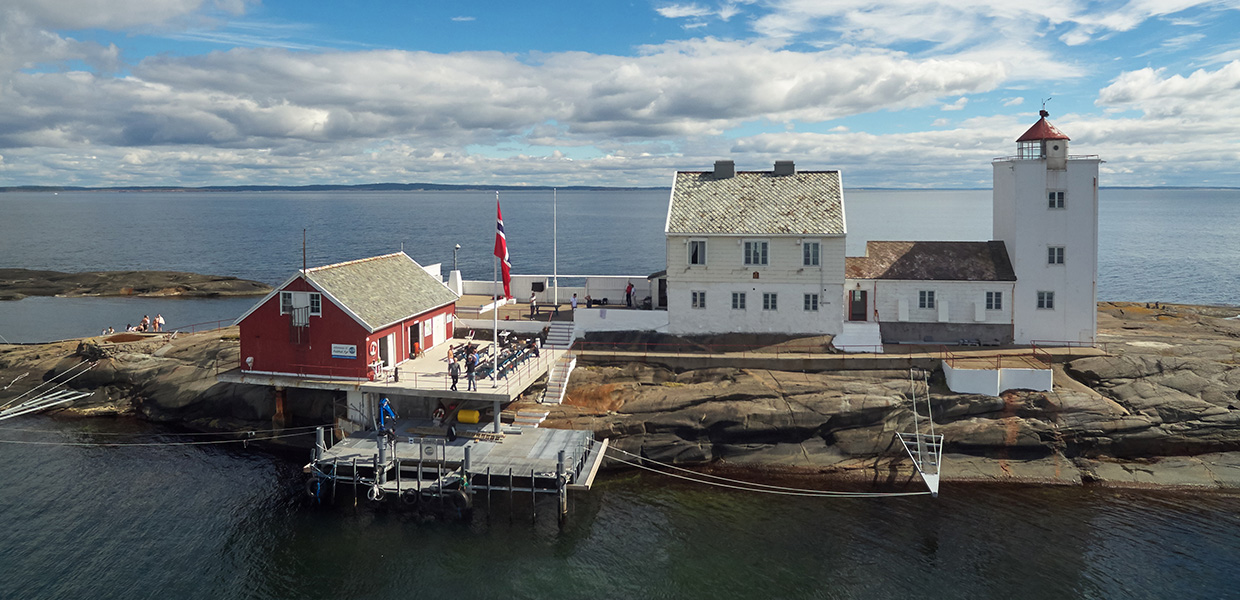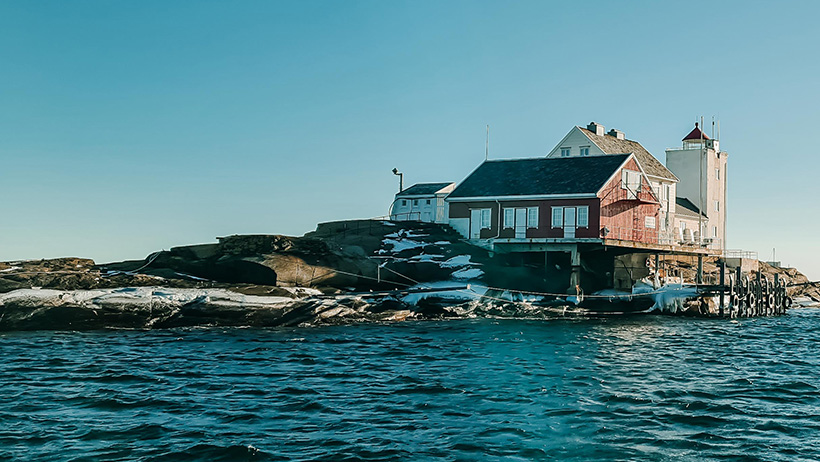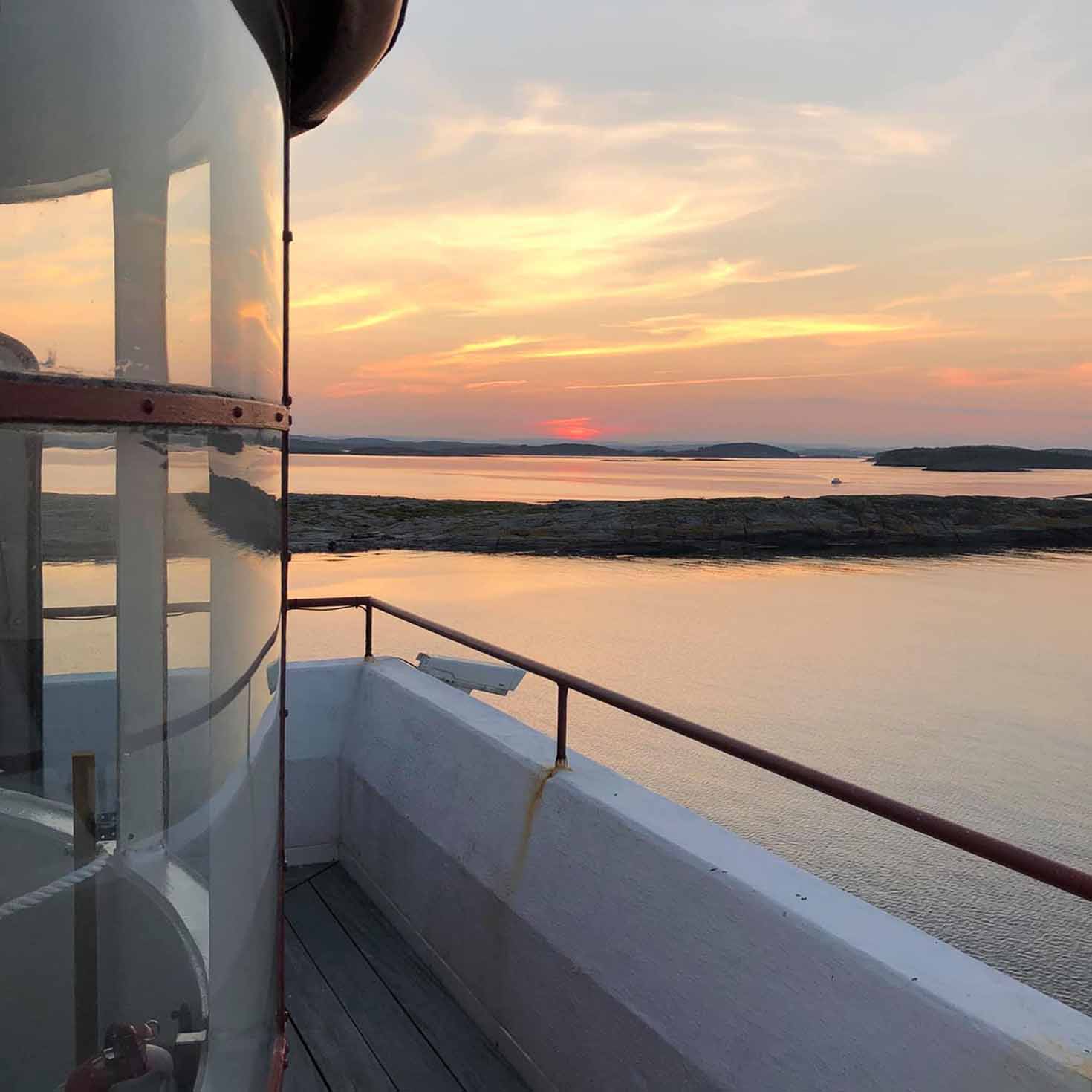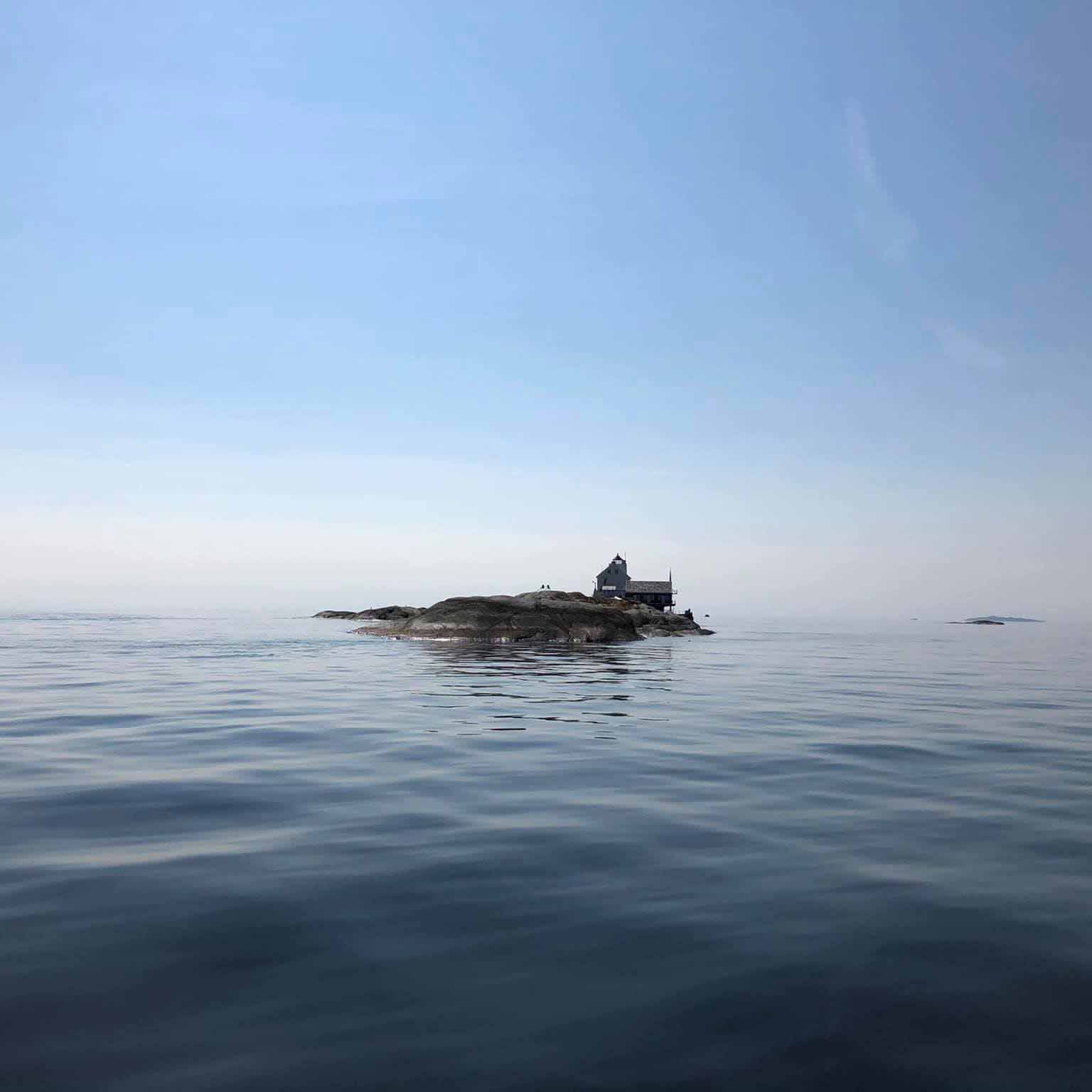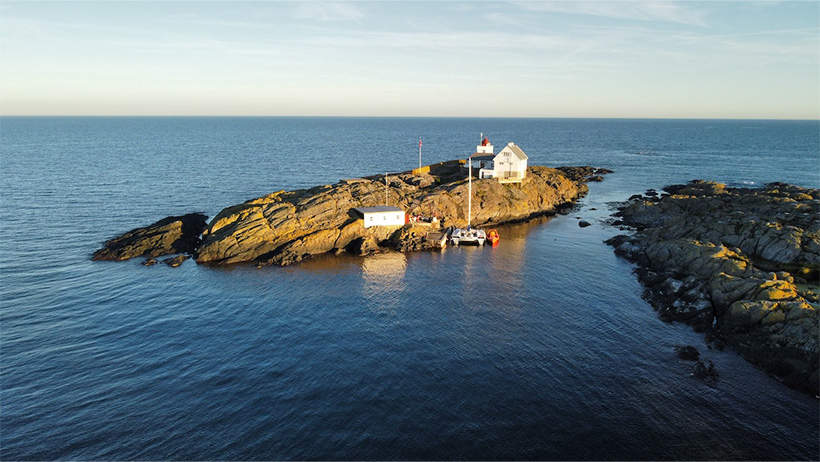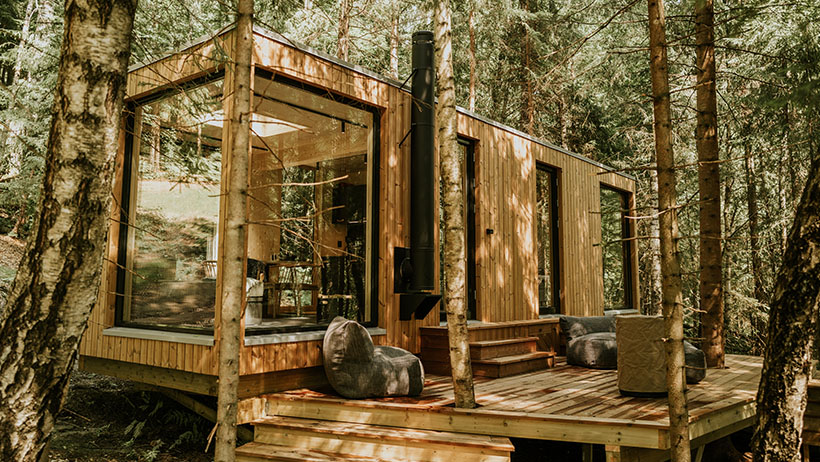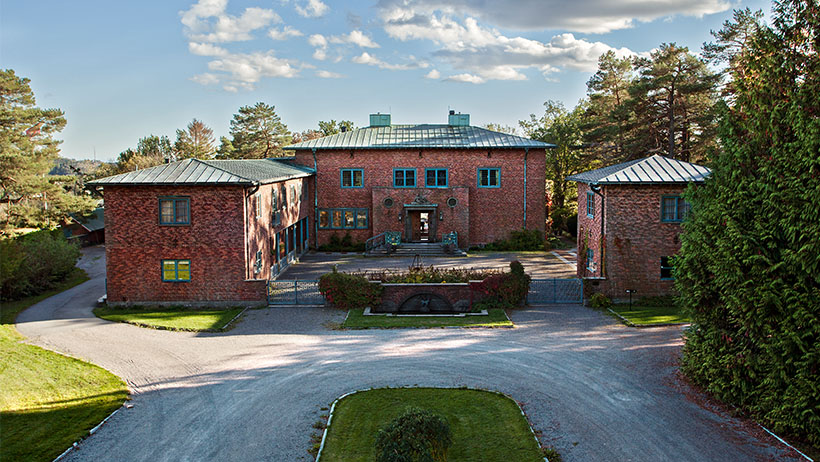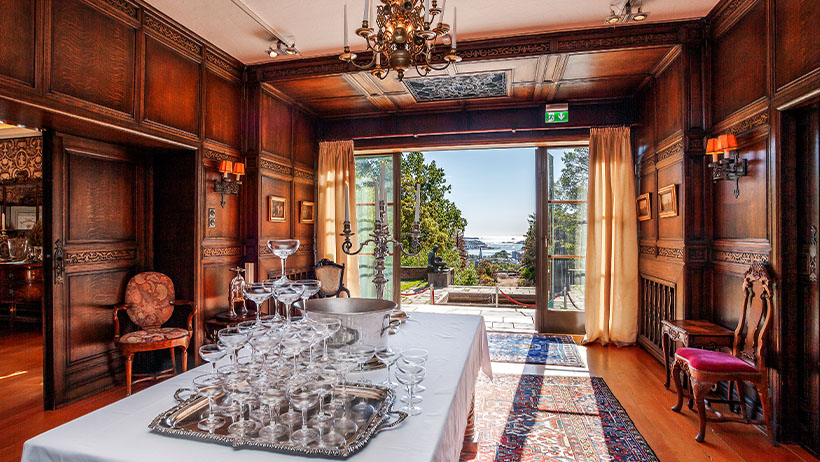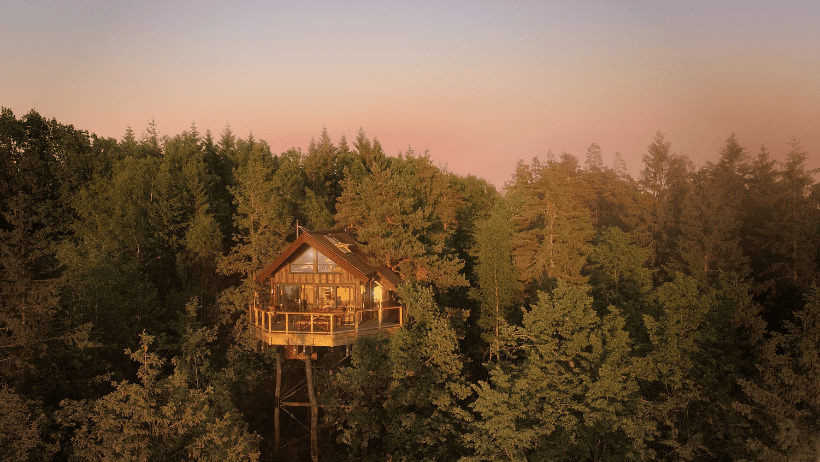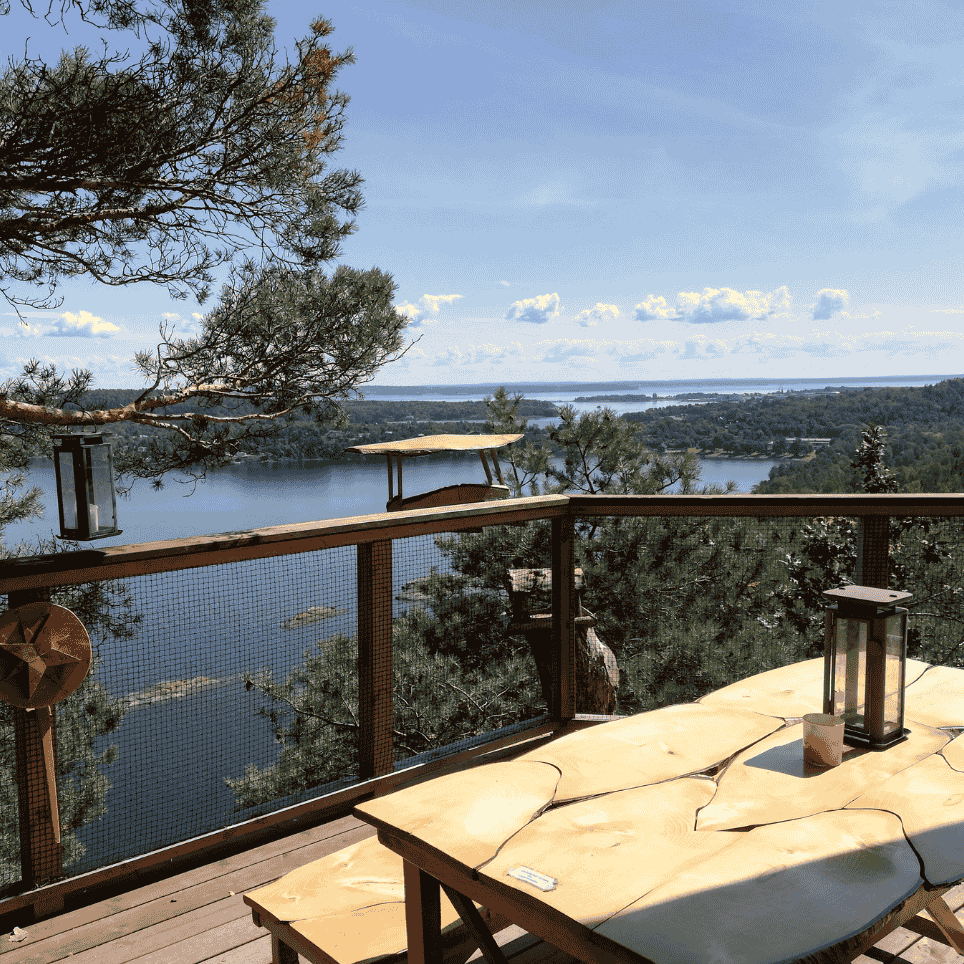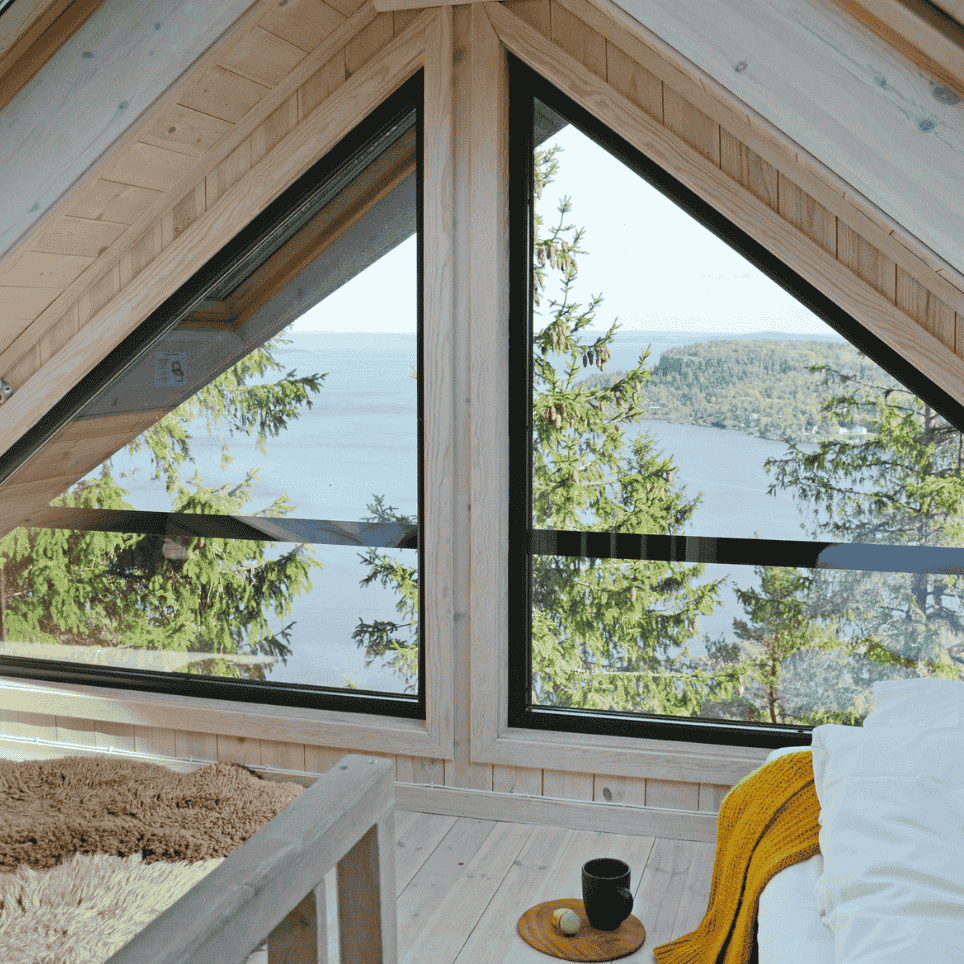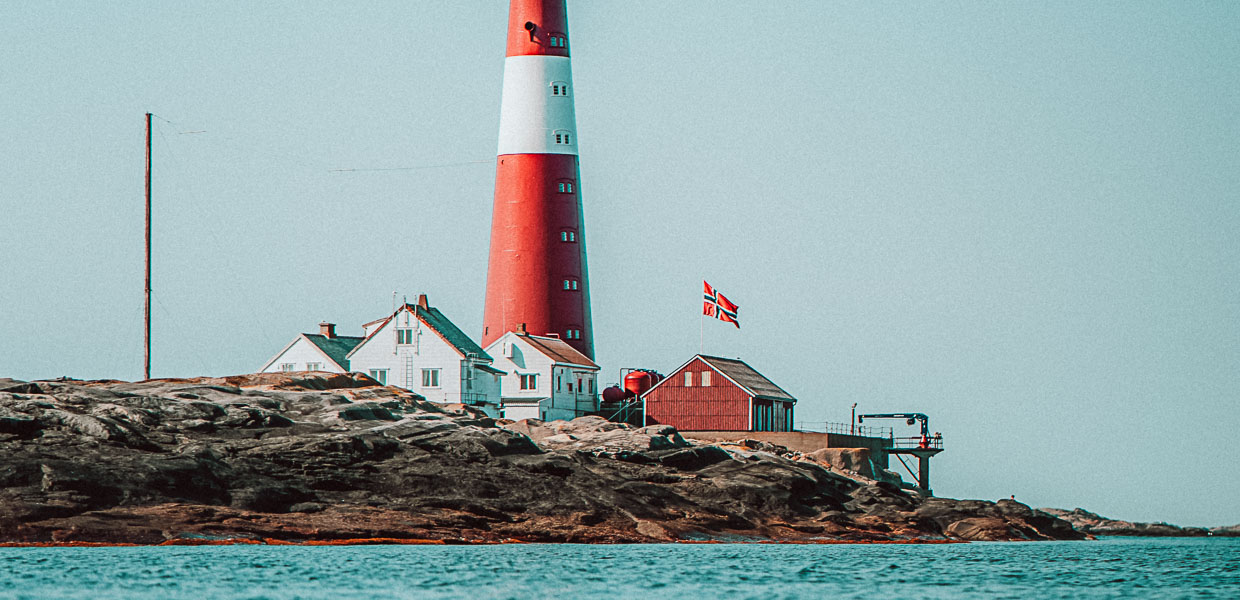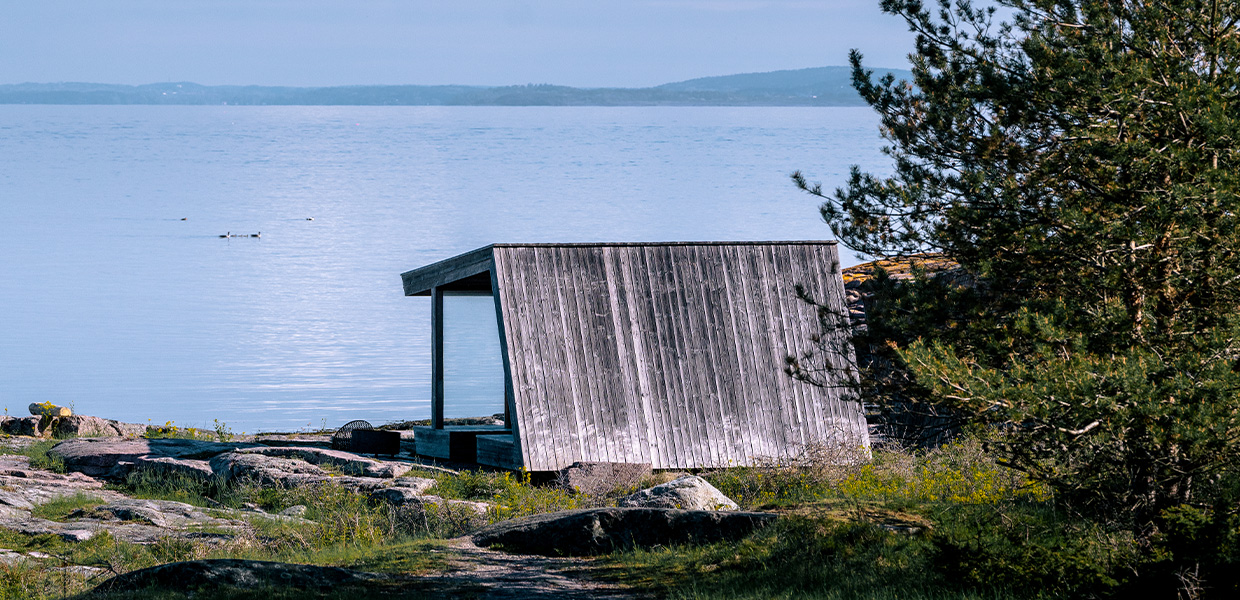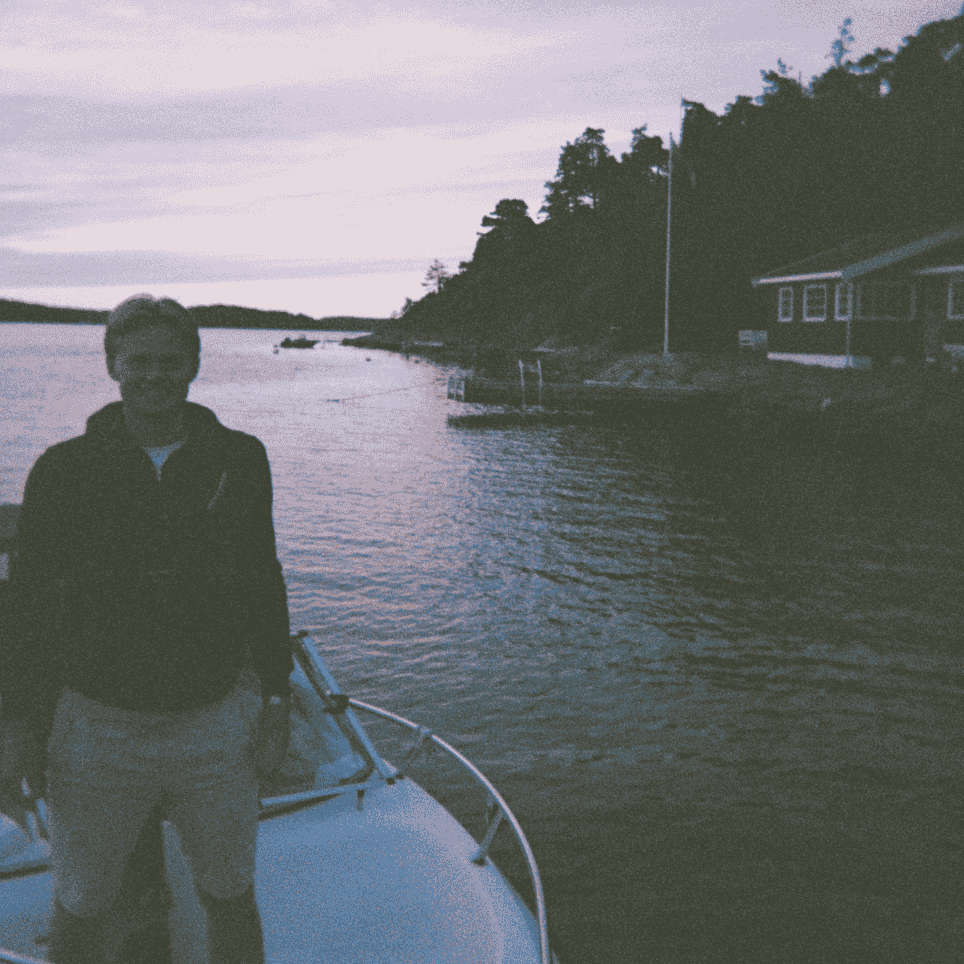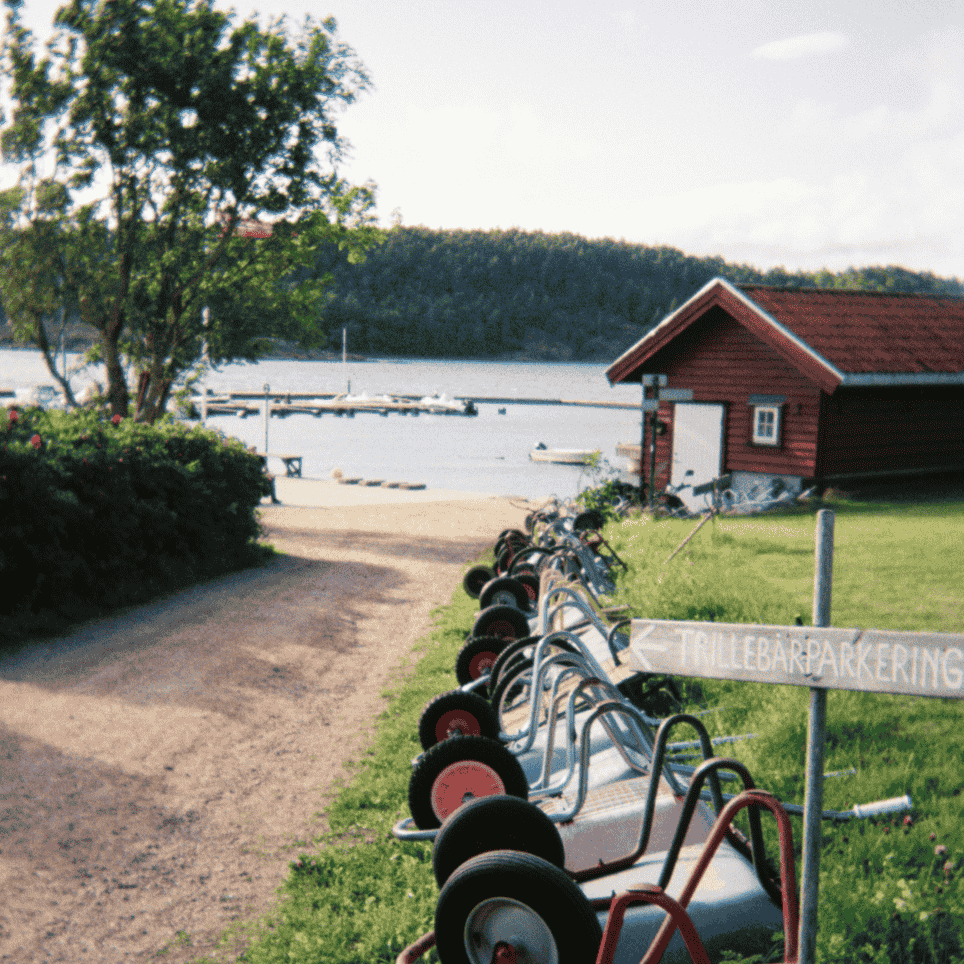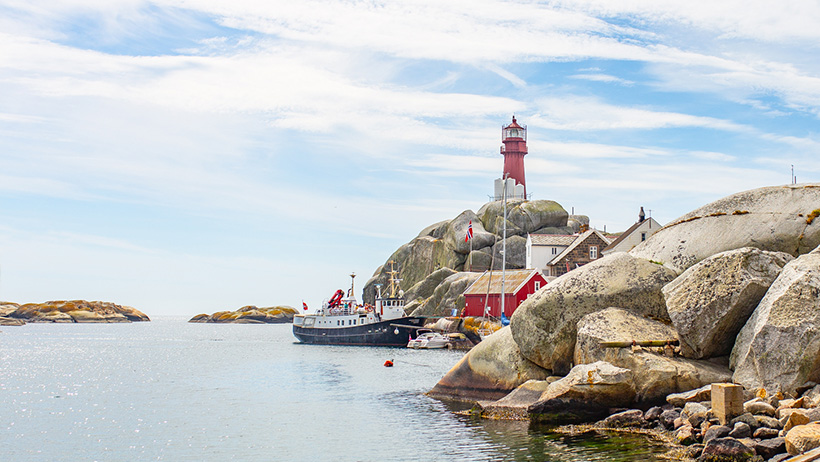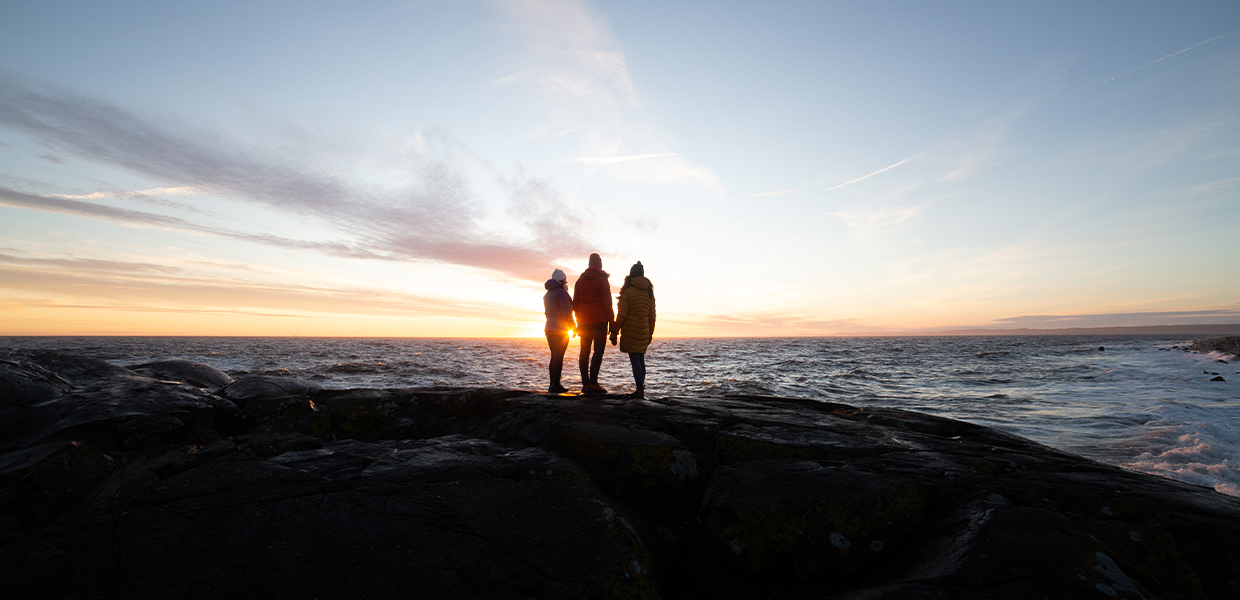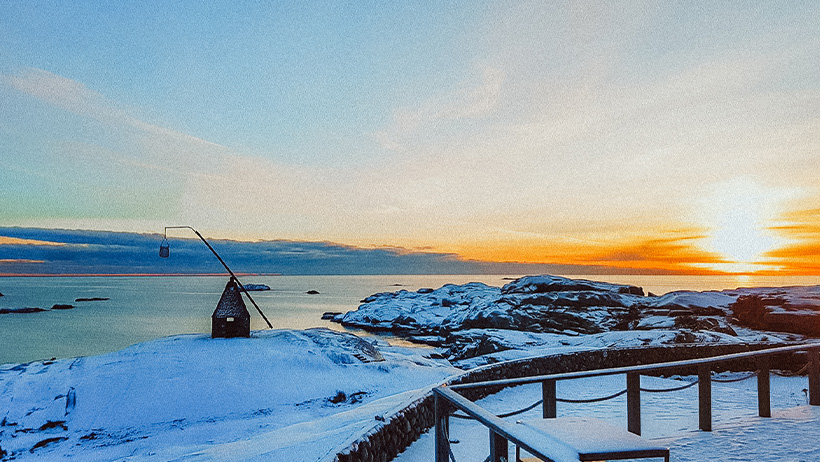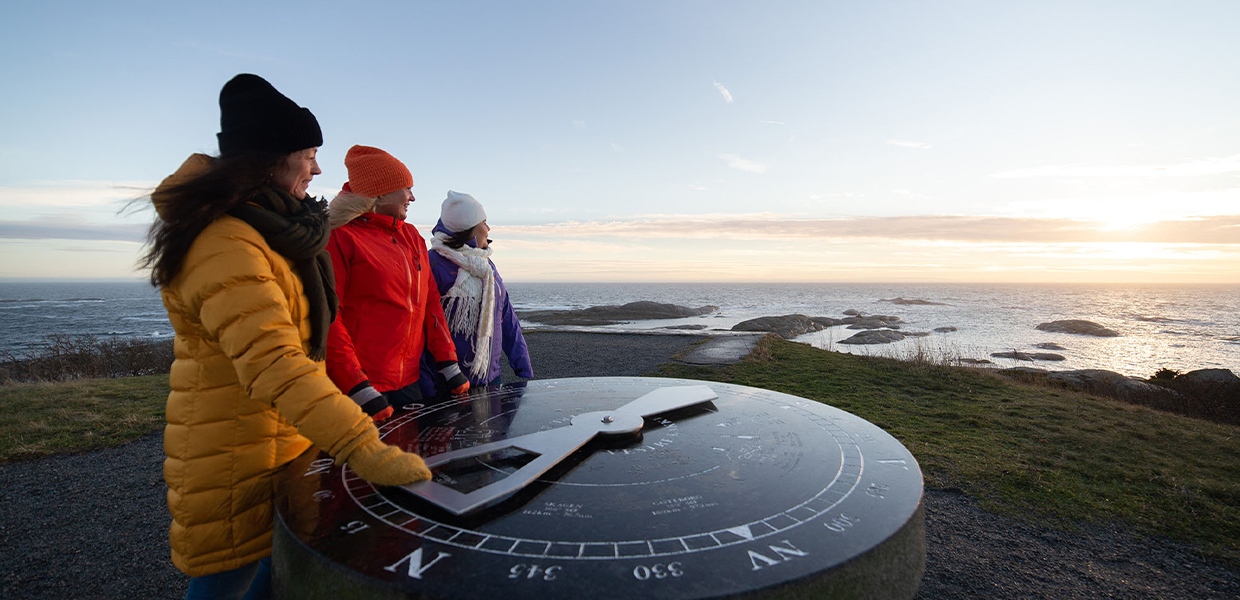

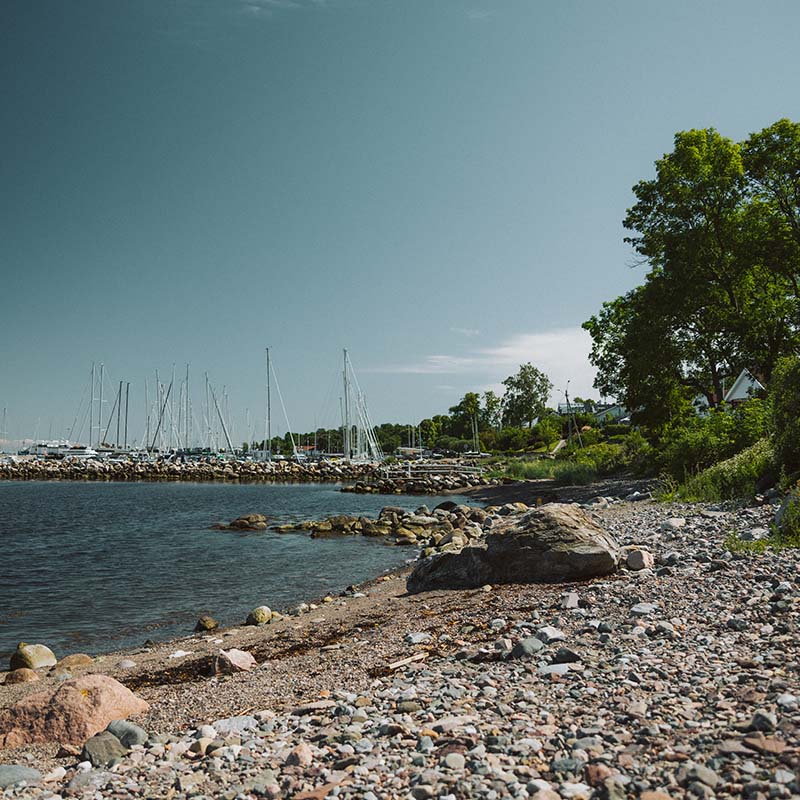
An hour and a half south of Oslo, Vestfold runs along the west side of the Oslofjord: a line of small coastal towns with beaches, islands and quiet countryside stitched in between. Close enough to reach after work on a Friday, far enough to feel like somewhere else.

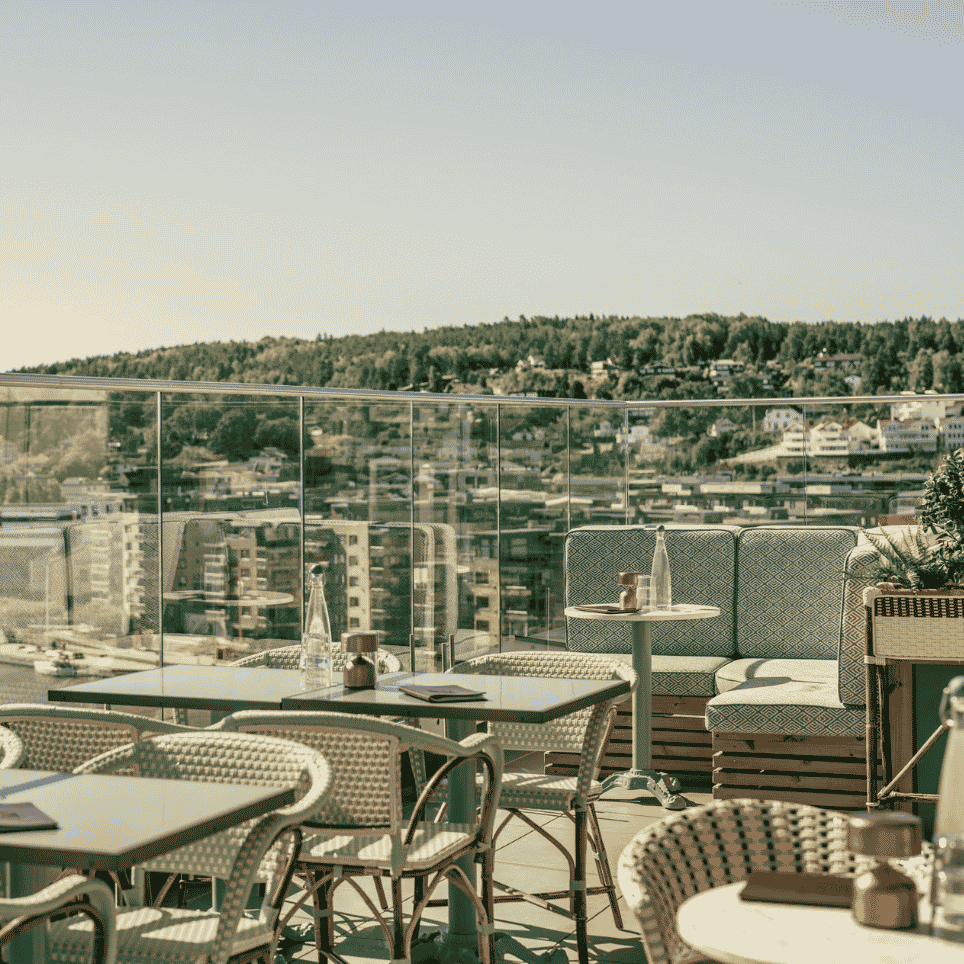
Late summer is the sweet spot. August and September still hand out warm days, the sea is still worth swimming in, and the summer crowds have mostly packed up and gone home. Same long light, more room to breathe.
Pick one corner of the coast, unpack once, and let the weekend come to you.
Here are three ways to do it. 👇
Hold on to that summer feeling for just a little longer
The air stays mild, the water’s still swimmable, and the beaches empty out as the season winds down. It’s the summer you remember, with the volume turned down.

Three towns, three different weekends
Distances between many of Vestfold’s towns and coastal areas are short, making it possible to stay in one place while exploring nearby destinations by train, bus or car.
Weekend 1: Island life and rural luxury on Tjøme
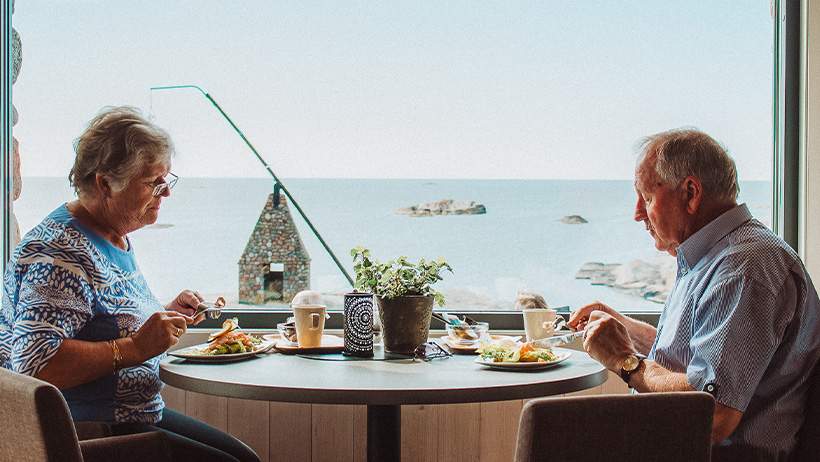
If your ideal weekend includes swimming, good food and plenty of time outdoors, Tjøme makes a good coastal base.
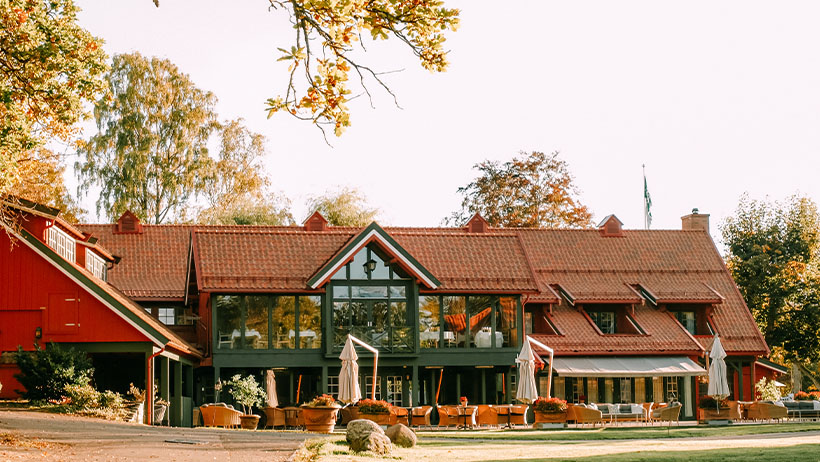
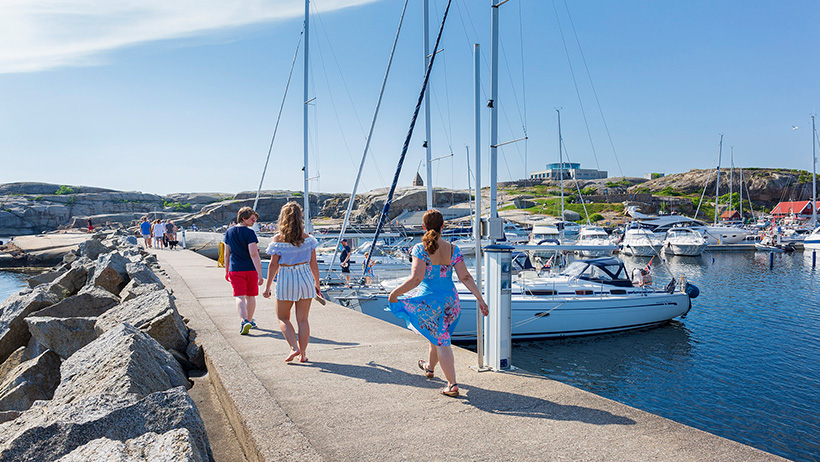
Stay at the charming Engø Gård or freshly renovated Havna Hotel & Sjøbad, and spend the weekend exploring the coast, relaxing at the hotel or heading out onto the water. This part of Vestfold also gives you easy access to Færder National Park and some of the area’s best-known coastal landscapes.
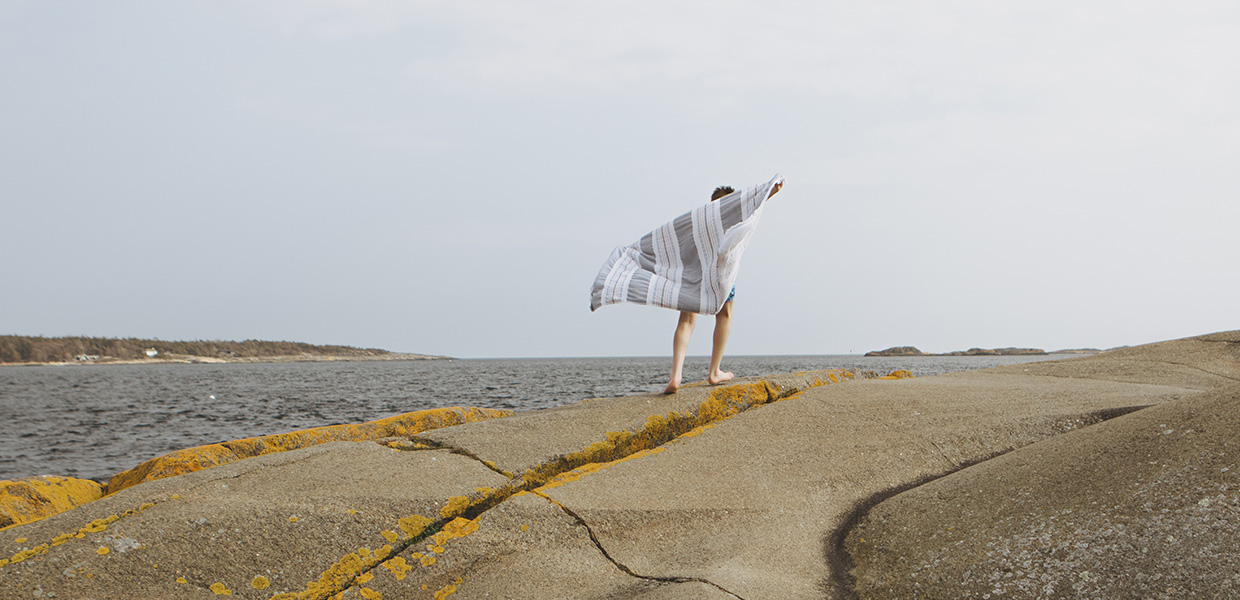
Picture it: a swim before breakfast, salt still on your skin while the coffee’s poured. That kind of weekend.
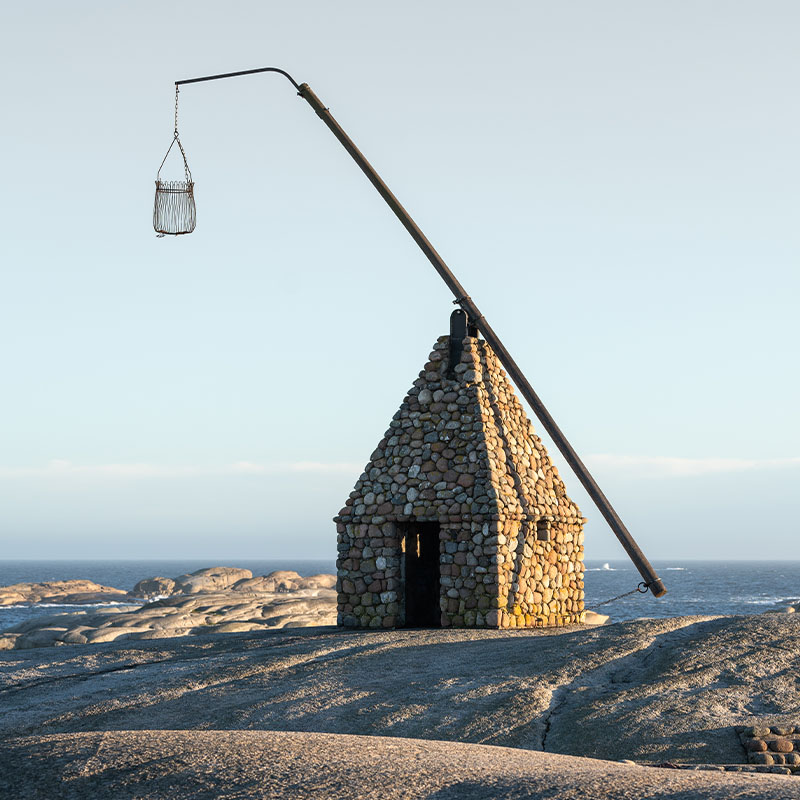
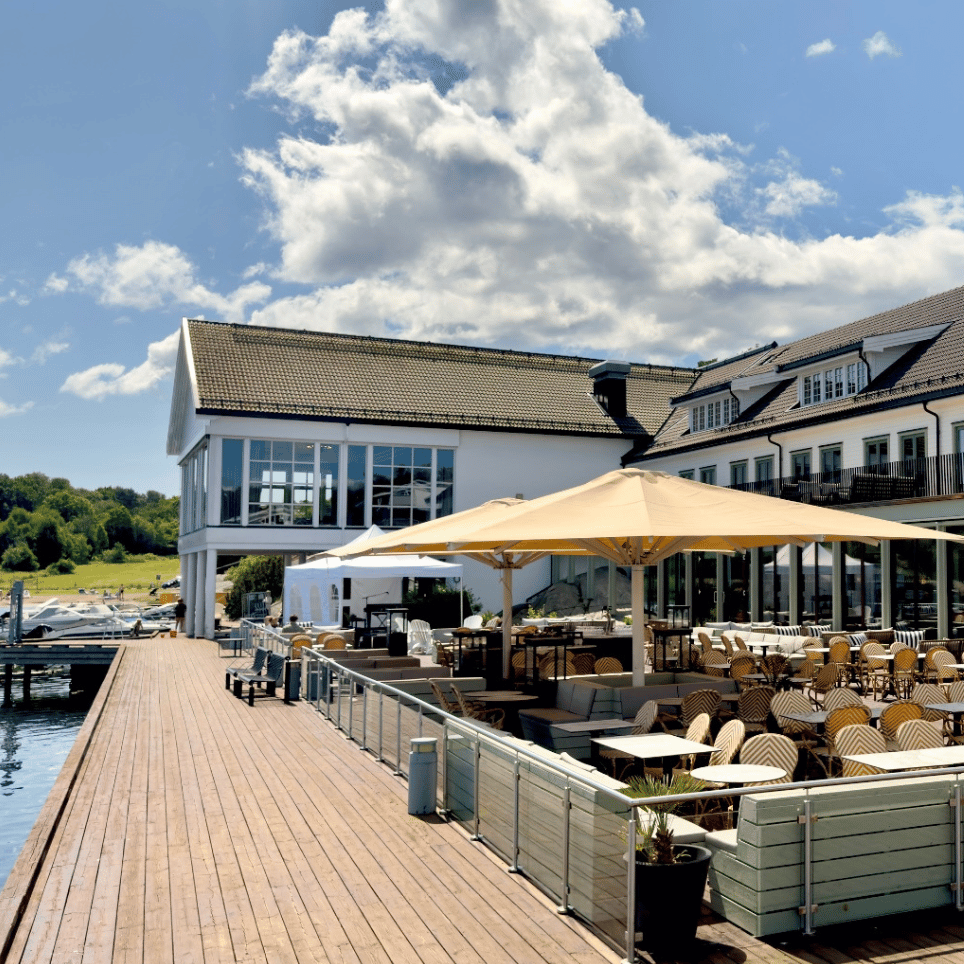
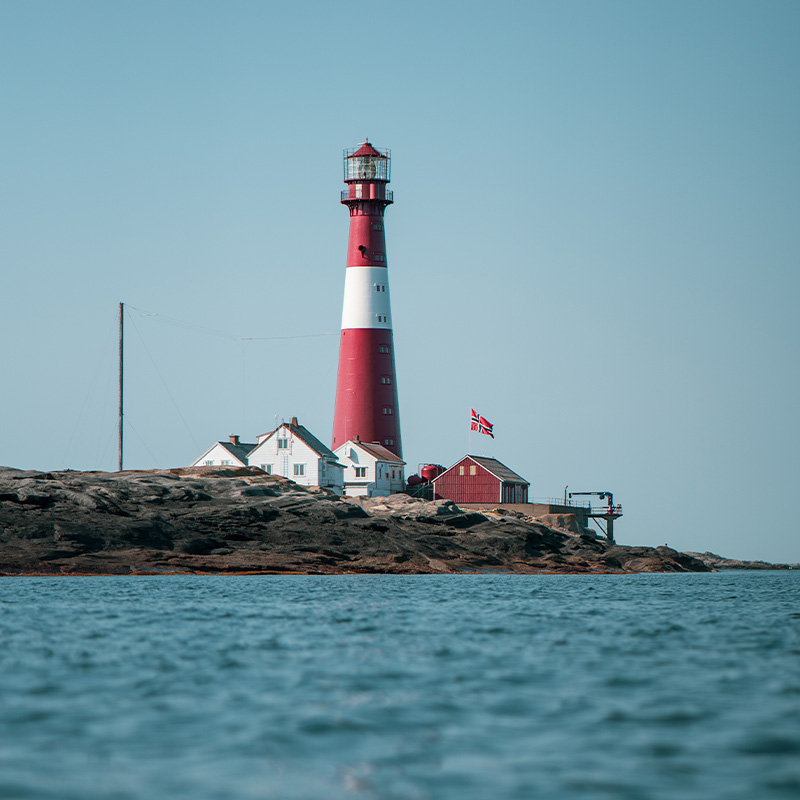

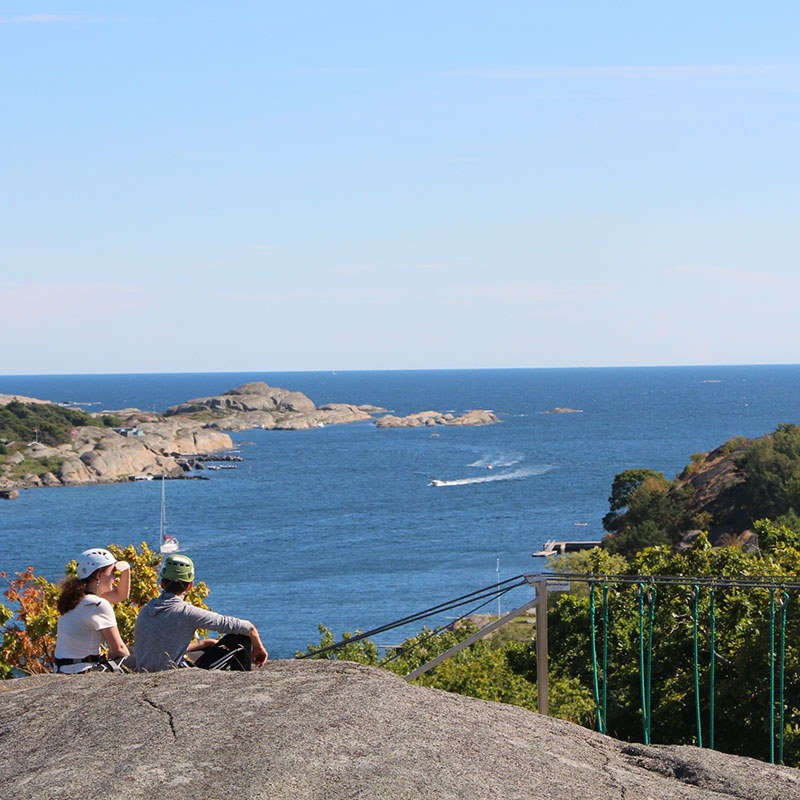
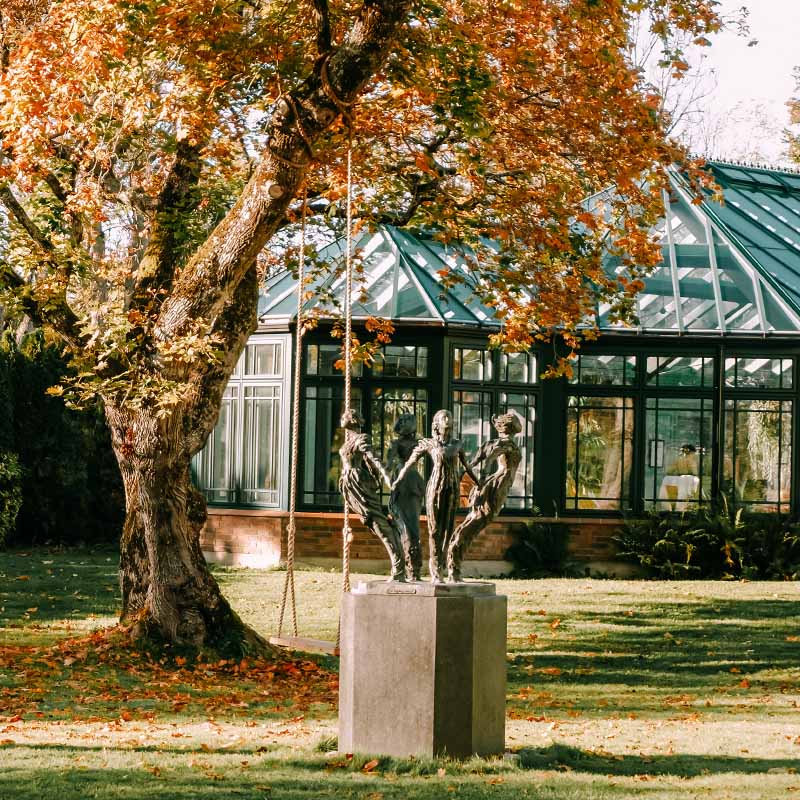
Friday: Travel from Oslo after work and check in on Tjøme. Keep the first evening simple with dinner at the hotel, a drink outside if the weather allows and perhaps an evening swim before bed.
Saturday:
Choose two or three activities rather than trying to fit everything into one day.
- Start with a leisurely hotel breakfast.
- Go for a morning swim and warm up in the sauna afterwards.
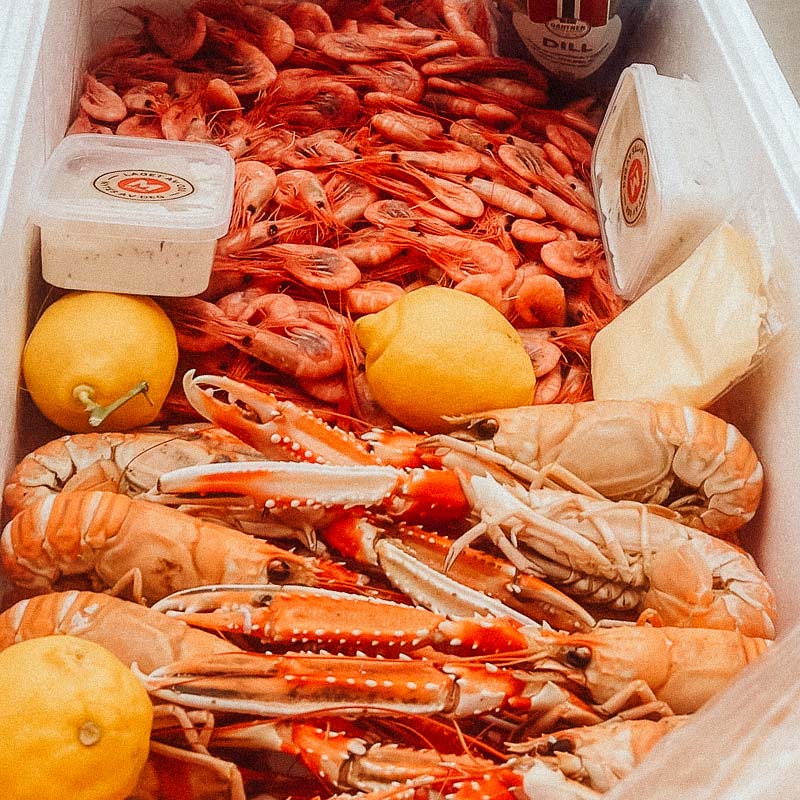
- Stop at Tjøme Kolonial to pick up something delicious and locally made, for a picnic.
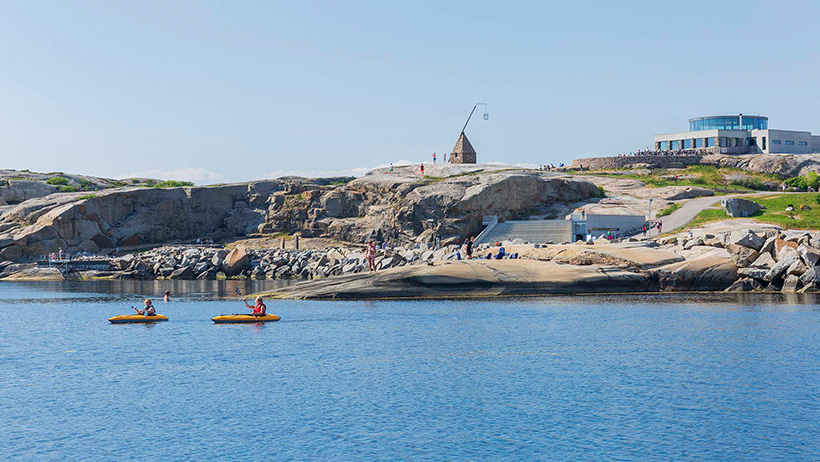
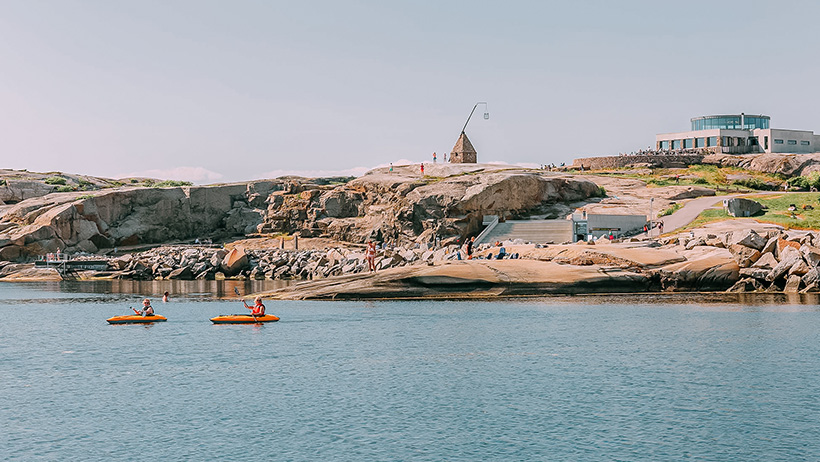
- Walk through the coastal trail at Moutmarka towards Verdens Ende, whose name translates as “The World’s End”.
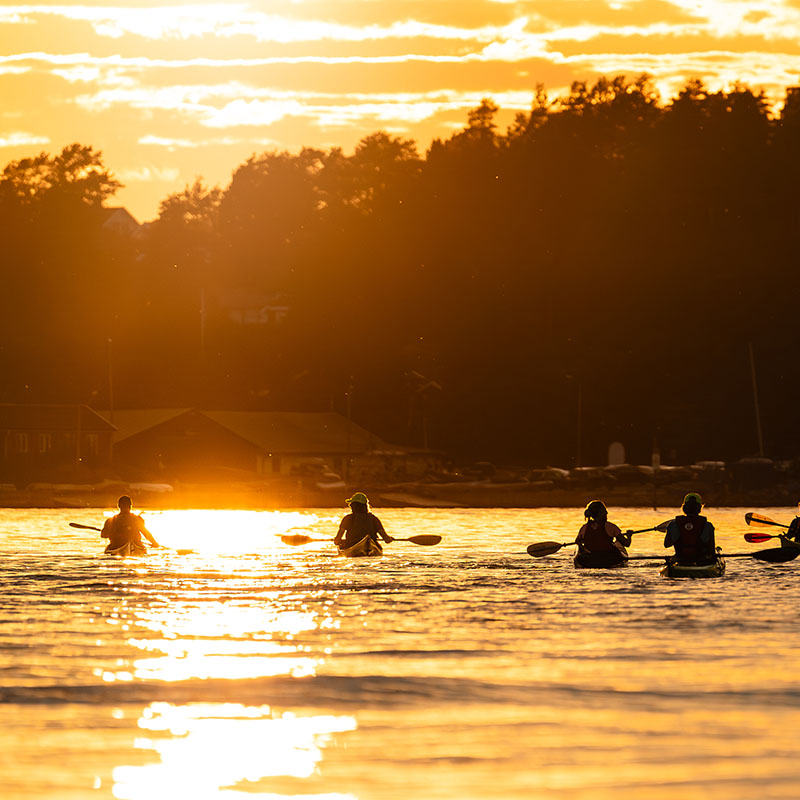
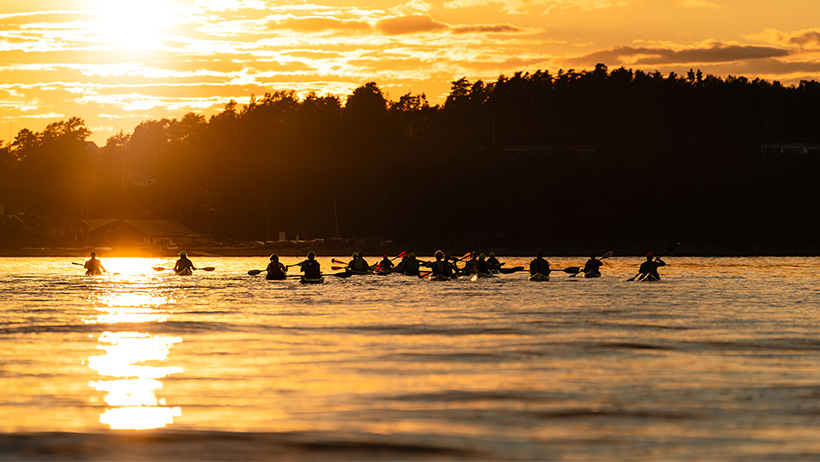
- Head out on the water. For a little local guidance, book a guided kayaking trip.
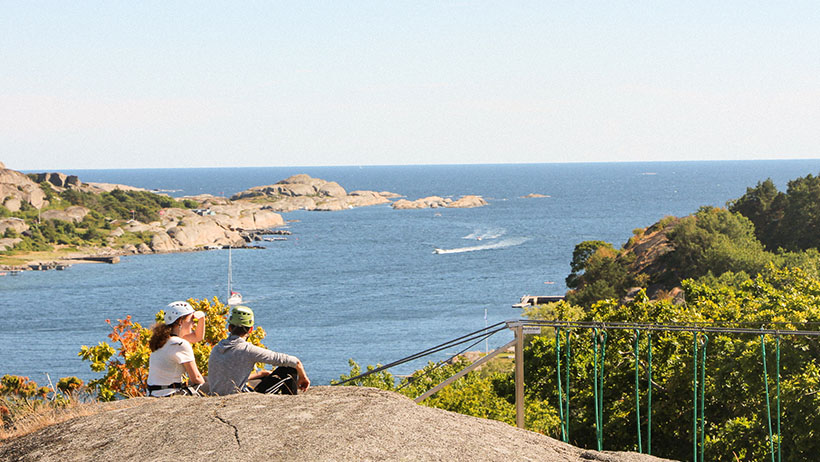
- Try the via ferrata overlooking the sea.
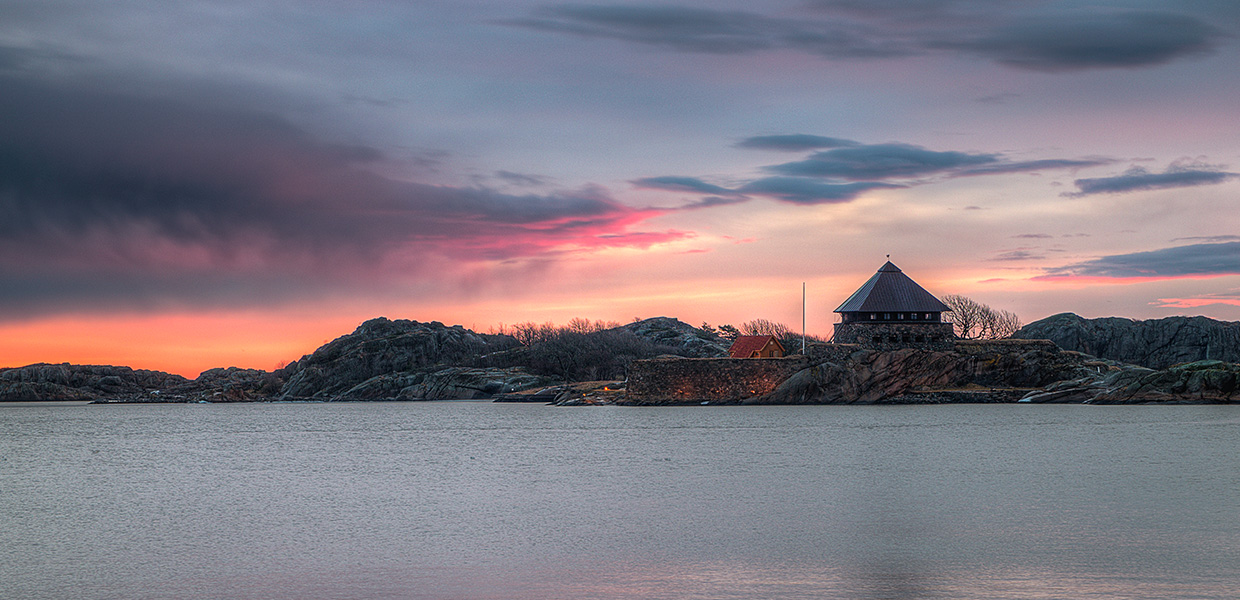
- Explore the historic Torås Fort.
- Finish the day with dinner at Verdens Ende Spiseriet or a multi-course meal at Pileredet at Engø Gård.
Prefer a slower day? Book a spa treatment at Engø or a sauna at Havna and leave the rest of the afternoon open.
Sunday: Take your time over breakfast and choose one final activity before heading back towards Oslo. Go for a morning swim, take a short drive along the coast or spend another quiet hour by the sea.
On the way home, stop in central Tønsberg for coffee and something sweet at Saga Kafe, or have lunch at Victor or Feumer by the harbour.
Weekend 2: Wellness, art and coastal scenery in Larvik, Stavern and Nevlunghavn
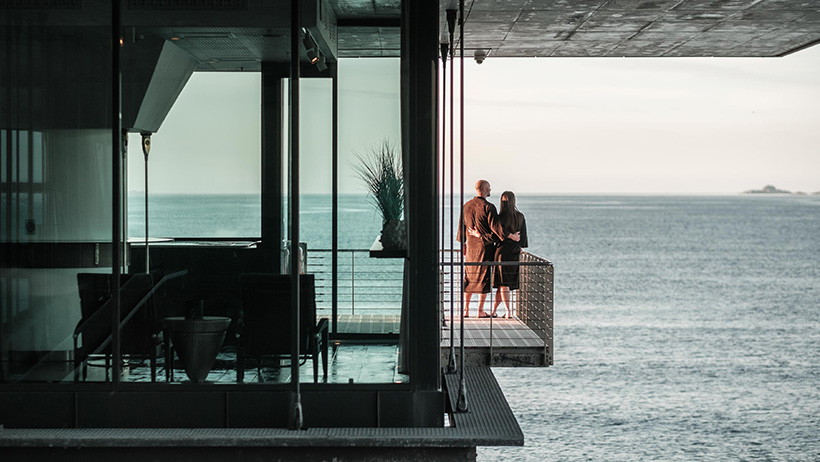
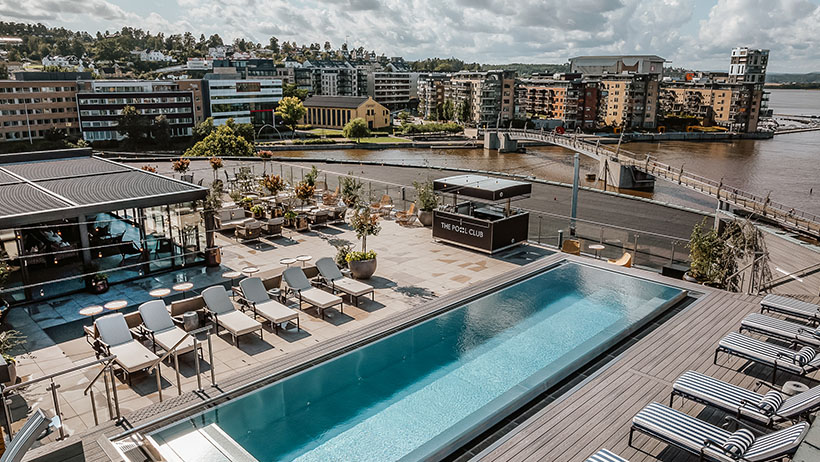
This route combines a spa stay with art, coastal walks and small seaside towns. Spend your first night at Farris Bad in Larvik, then continue along the coast to Stavern and Nevlunghavn.
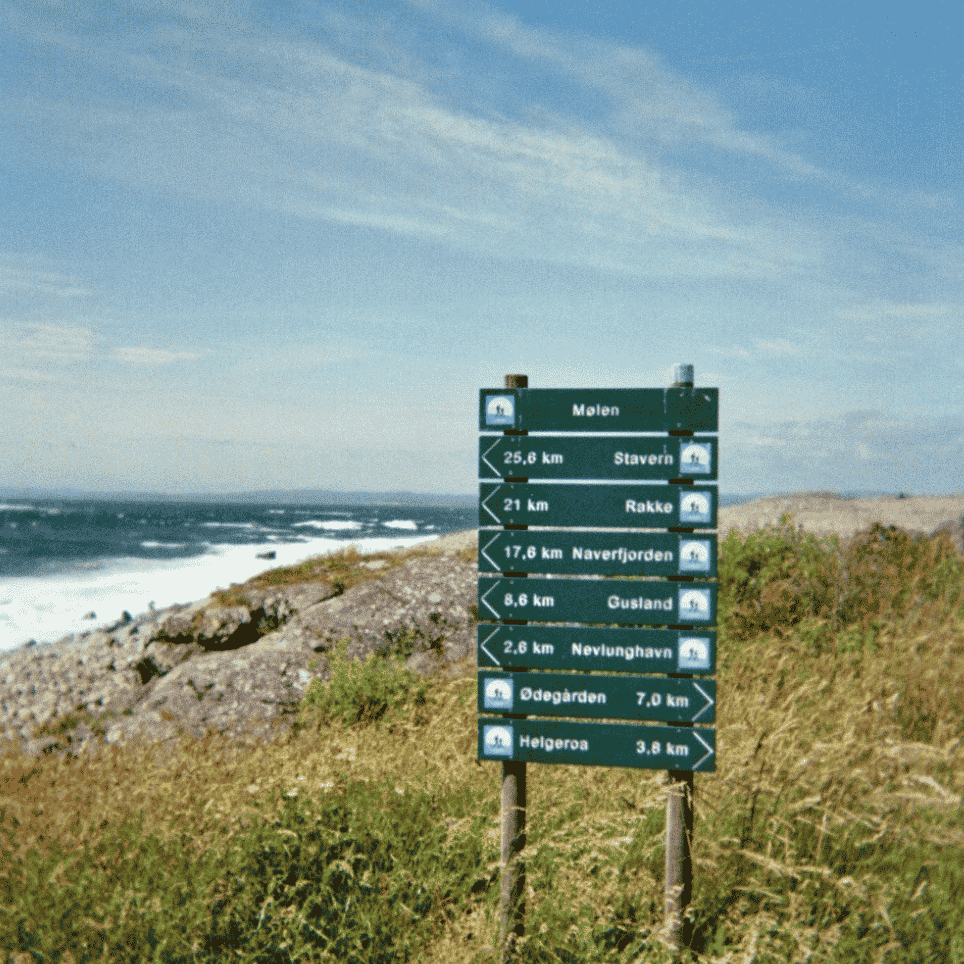
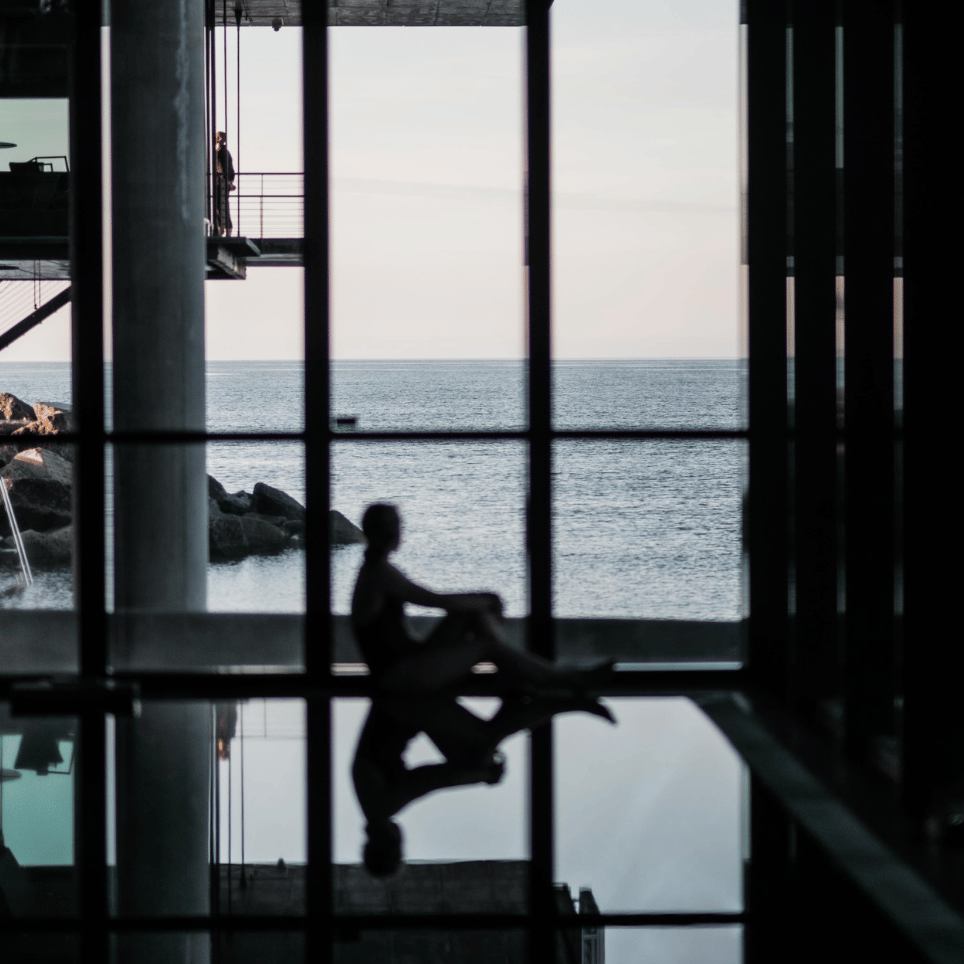
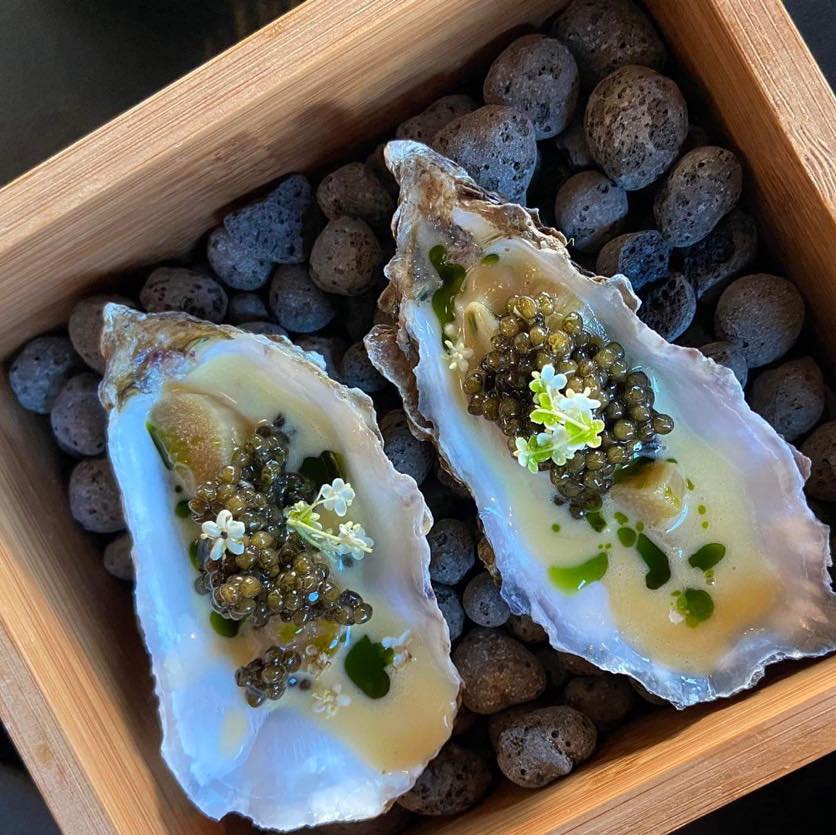
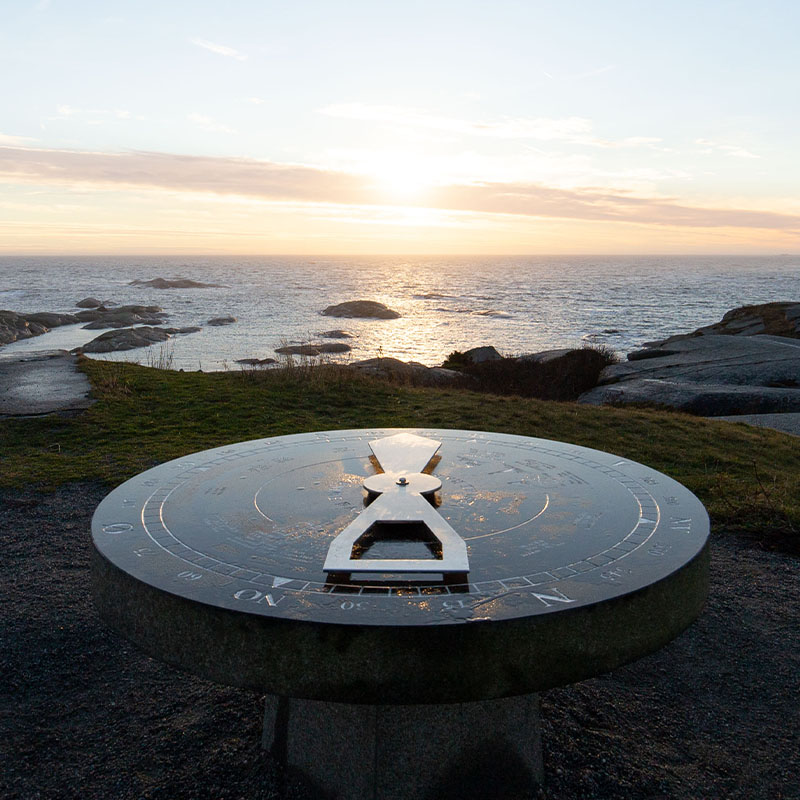
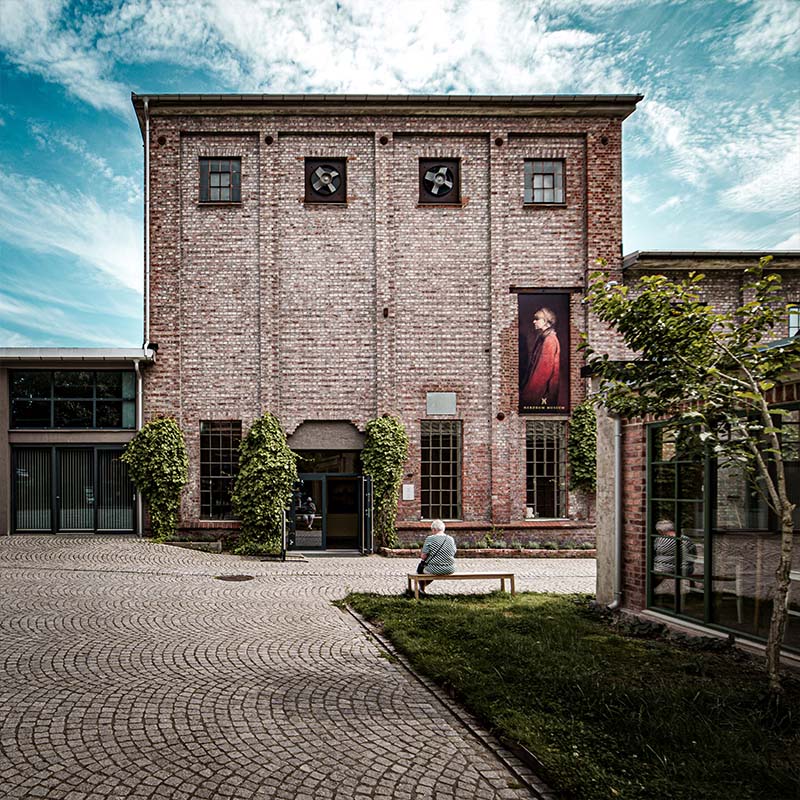

Friday: Check in at Farris Bad and start the weekend in the spa. Have dinner at the hotel or at Sjøslag Restaurant, then head to the roof terrace for an evening drink if it is open.
Saturday: Early risers can start the day in the spa before breakfast. After a leisurely breakfast and check-out, continue towards Stavern and visit the Nerdrum Museum.
From there, head further along the coast and check in at Nevlunghavn Gjestgiveri, a small seaside hotel in Nevlunghavn. Settle in for the evening and have dinner at the hotel.
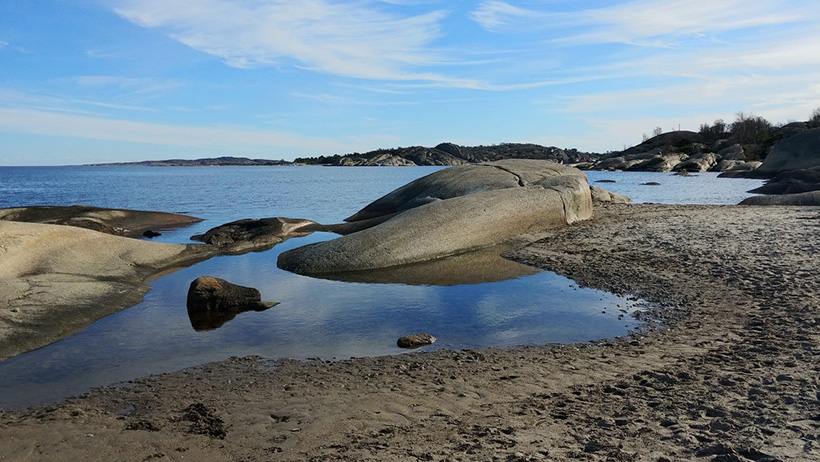
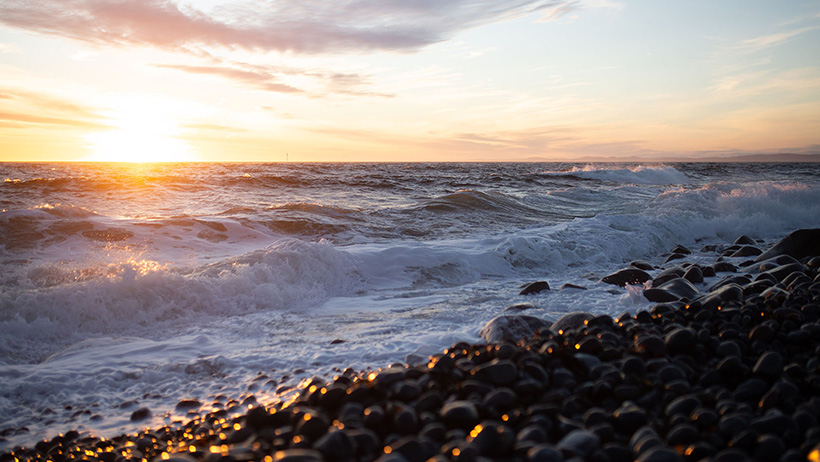
Sunday: Start with breakfast at the guesthouse, then put on your walking shoes and explore the coast around Mølen. Its distinctive pebble beach, open sea and wide horizon make this a very different landscape from the sheltered beaches and harbour towns nearby.
You can also explore sections of the coastal path while you are in the area.
On the way back towards Oslo, stop at a local farm shop, such as Lillavendel in Helgeroa, and take a few local products home with you.
Stay here in Larvik
-
Farris Bad
Farris Bad Hotel is situated at the beautiful Larvik beach in Vestfold, 135 km south of Oslo.
-
Nevlunghavn Gjestgiveri
Beach hotel since 1920 and part of De Historiske – Historic Hotels & Restaurants.
-
Quality Hotel™ Grand Larvik
A modern conference hotel by the water's edge in the centre of Larvik.
-
Hotel Wassilioff
Hotel Wassilioff is an outstanding hotel with an unique location in the heart of Stavern city cen…
Weekend 3: Munch, Viking history and small-town life in Åsgårdstrand and Horten
Åsgårdstrand and Horten are close enough to combine comfortably over one weekend, yet they offer two very different sides of Vestfold.
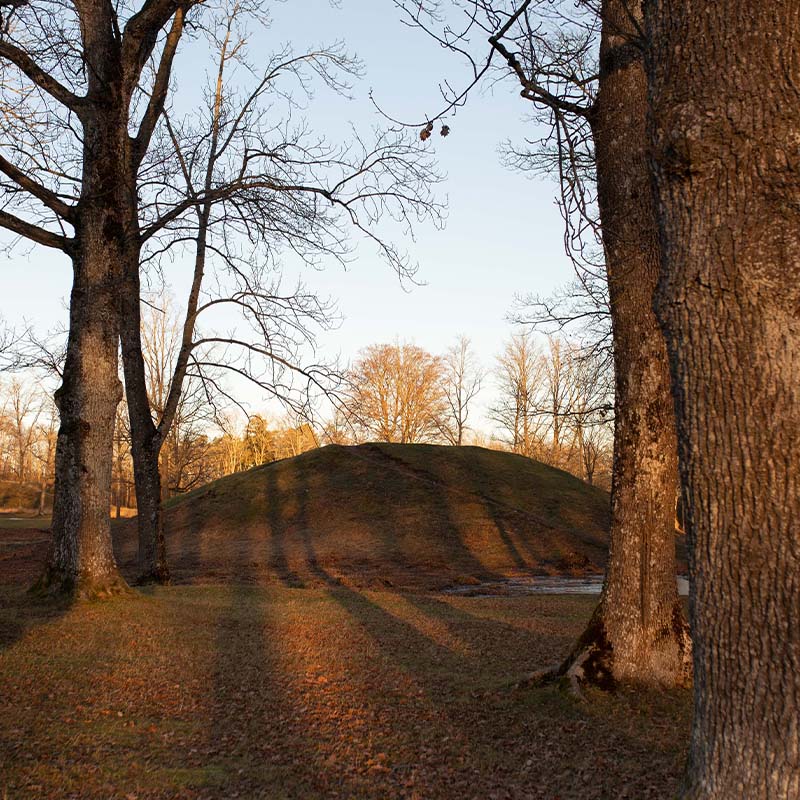
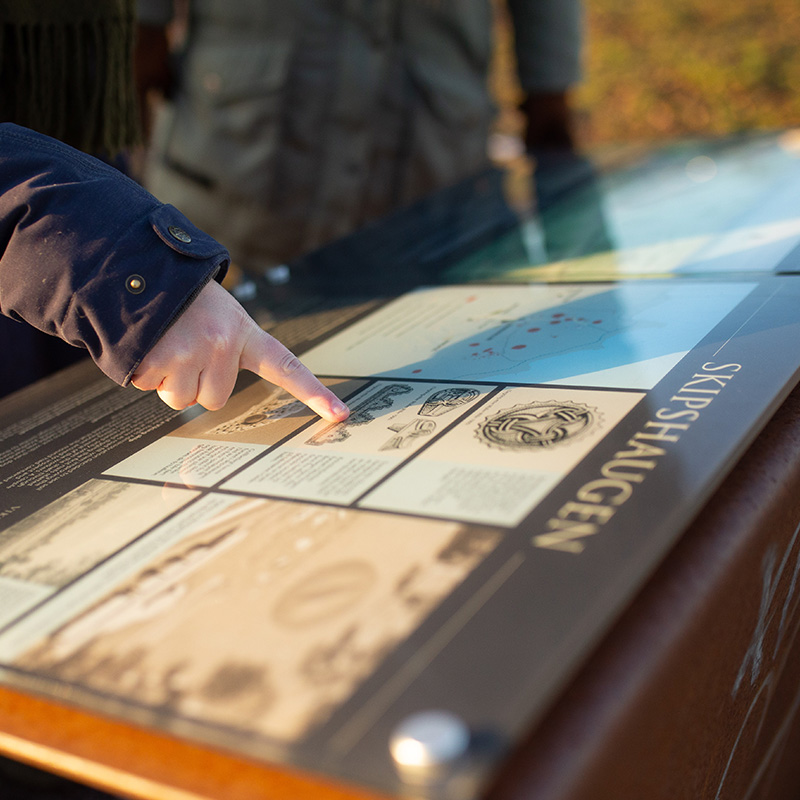
In Åsgårdstrand, you can explore the seaside town where Edvard Munch spent many summers. A short journey away, Borre is home to Viking history, large burial mounds and the Midgard Viking Centre.
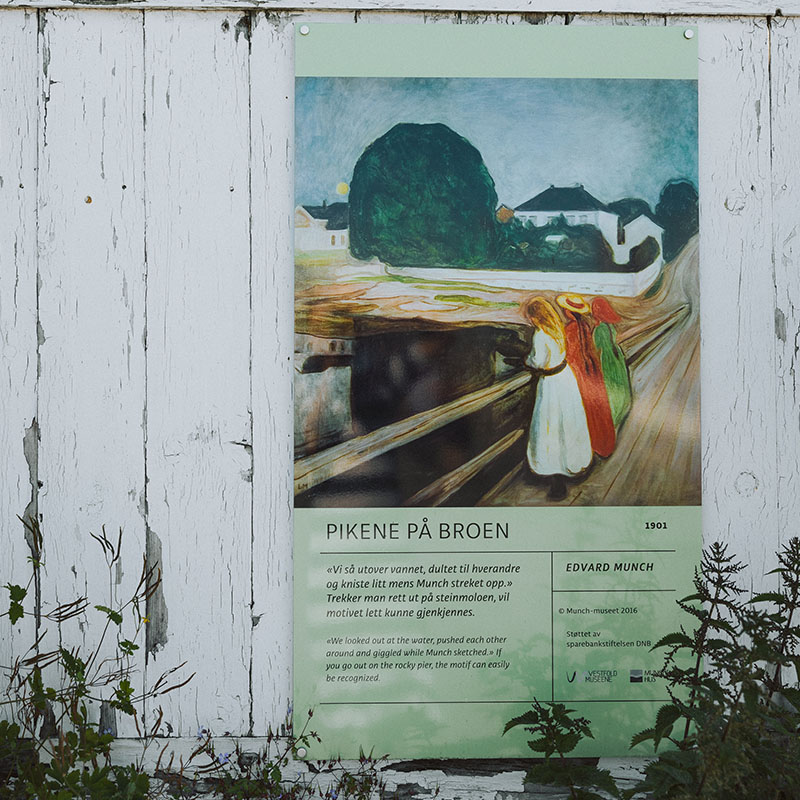
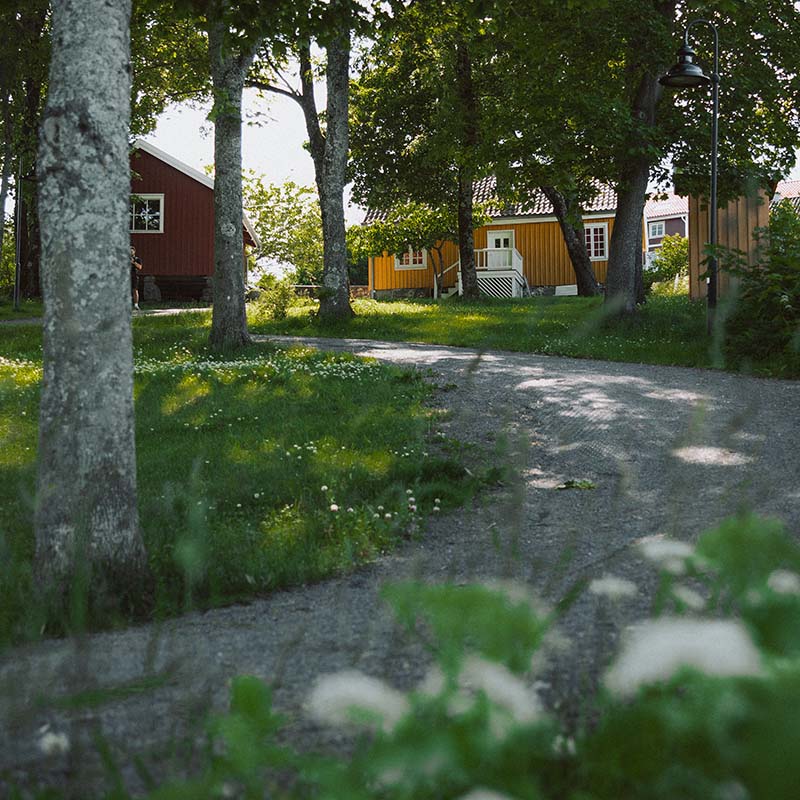
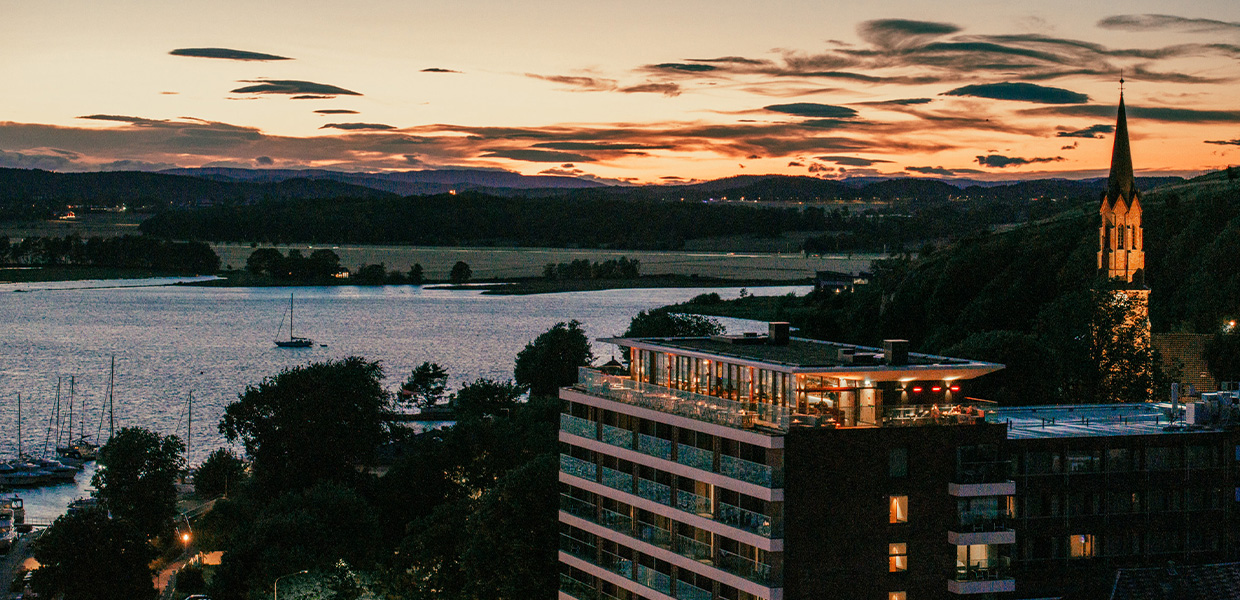
Friday: Check in at Grand Hotel Åsgårdstrand and spend some time getting to know the town. White wooden houses line the streets and many of the local landscapes are connected to Edvard Munch and his work.
If your arrival time and opening hours allow, visit Munch’s House, just a short walk from the hotel. You can also wander through the little town of Åsgårdstrand and look for streets and coastal landscapes that appear in his art.
Have dinner at the hotel overlooking the Oslofjord and finish the evening with a swim if the weather is on your side.
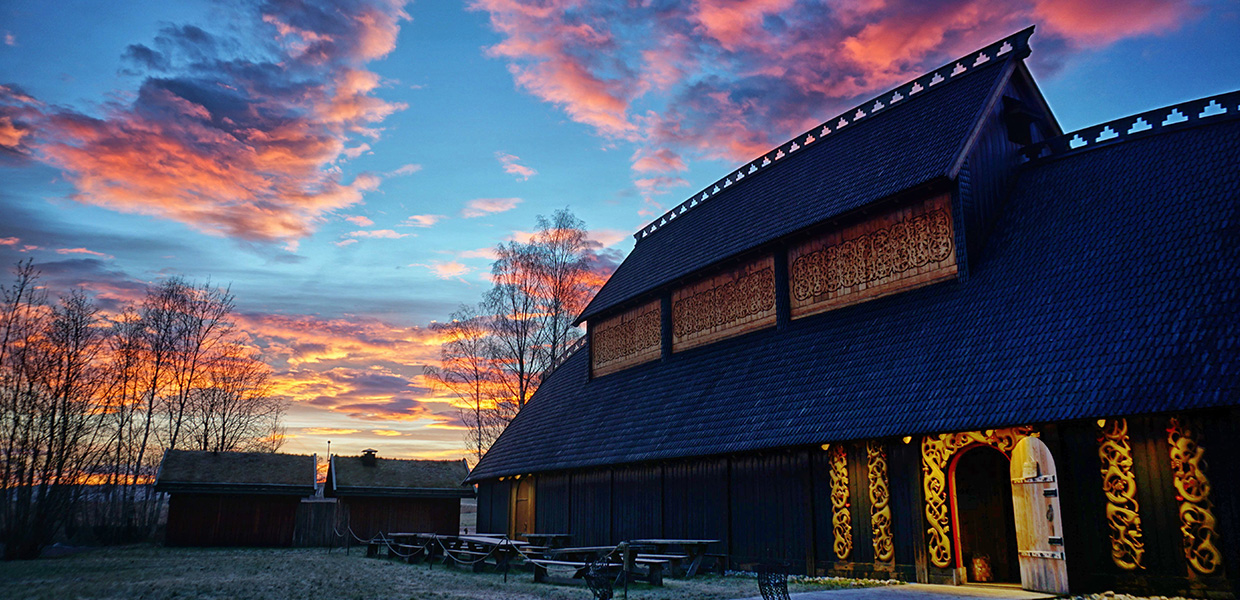
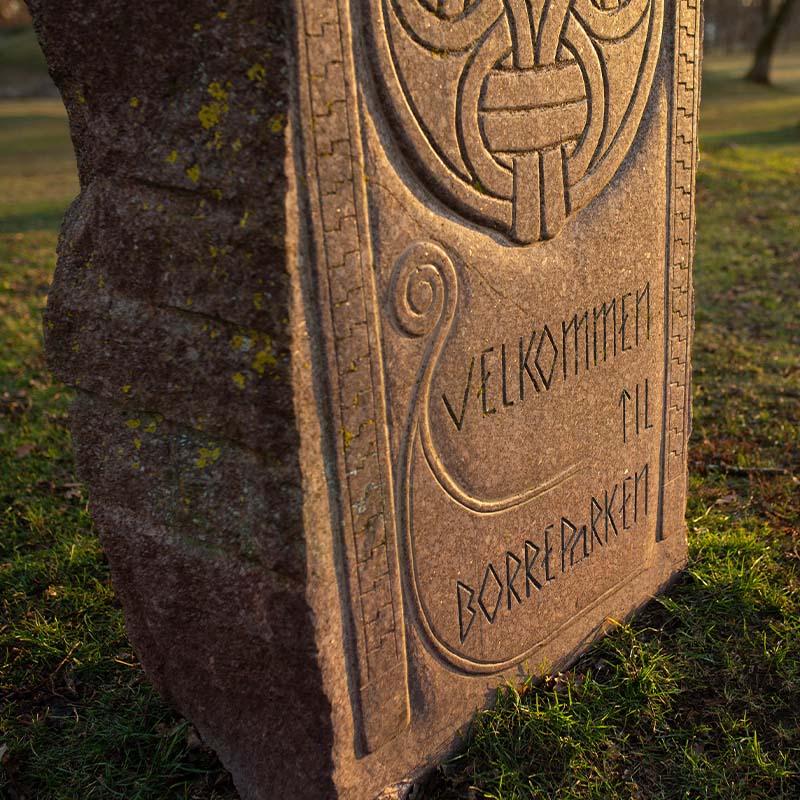
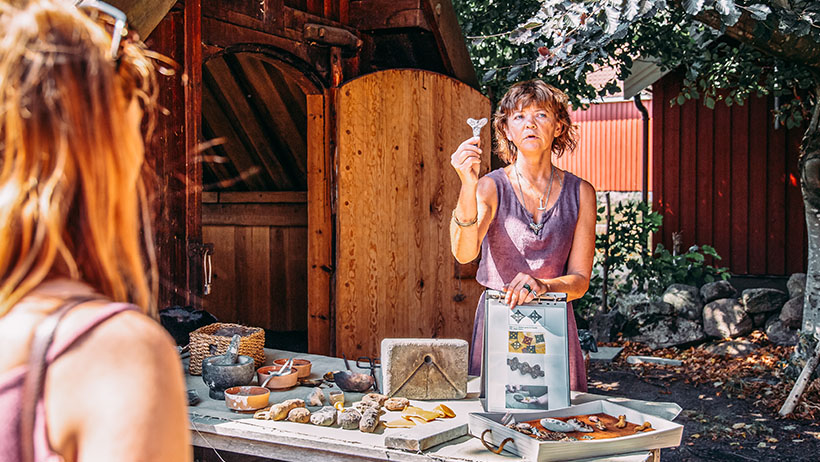
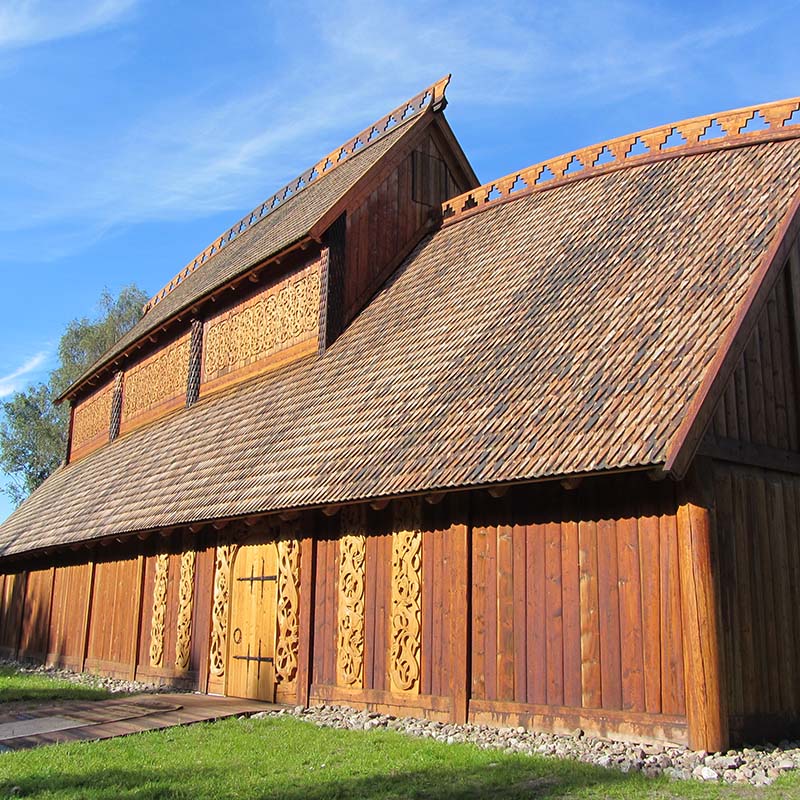
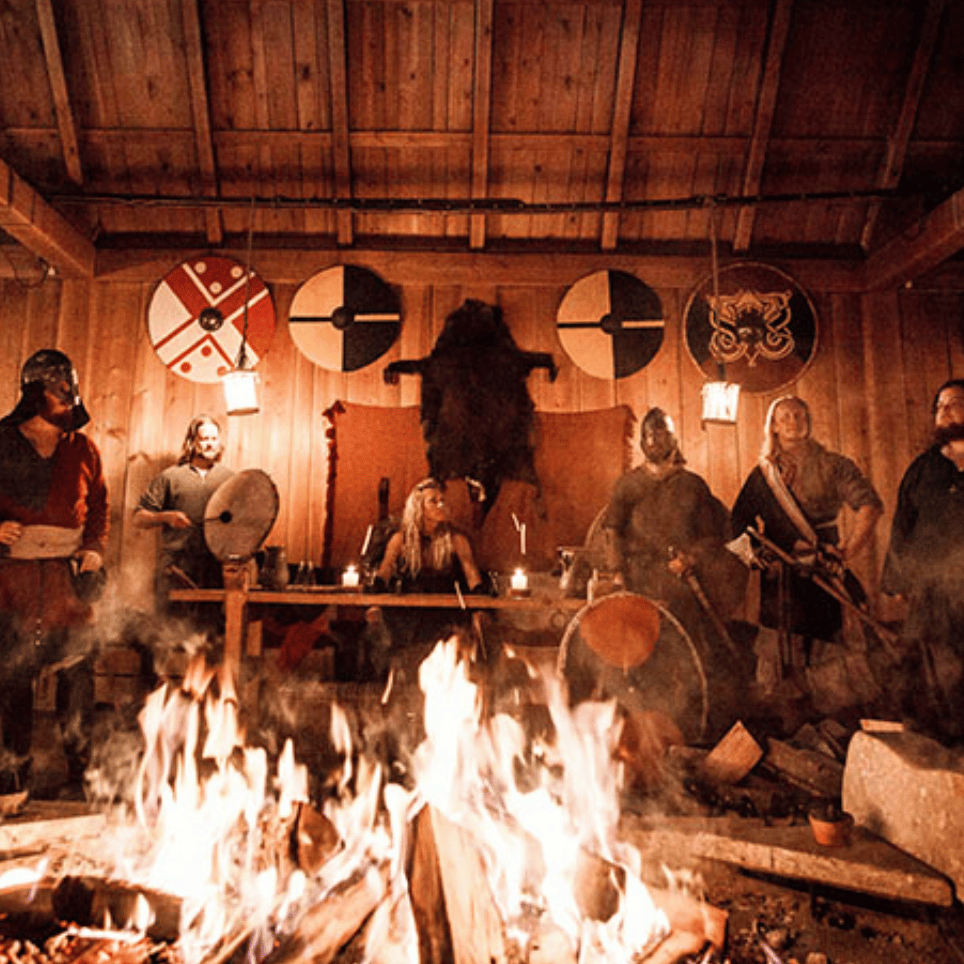
Saturday: After breakfast, head to Midgard Viking Centre and Borreparken. Explore the exhibitions, walk among the large burial mounds and visit Gildehallen, the reconstructedViking hall at the site. Check the programme before travelling, as guided tours and Viking activities take place on selected days.
Continue to Karljohansvern in Horten, where you can explore the historic naval area or visit the Navy Museum and Preus Museum.
Finish the day with dinner at Hotell Karljohansvern Sjømilitære Samfund, located in the former clubhouse for naval officers at Karljohansvern, before returning to Åsgårdstrand.
Sunday: Keep the morning slow with a leisurely breakfast, another walk through Åsgårdstrand or a final swim before checking out.
On the way back towards Oslo, stop at Holt Gård in Undrumsdal, around ten minutes from Horten. The farm produces a range of organic food, including vegetables, eggs, milk, meat, yoghurt, fresh cheese, juice and jam. Visit the farm shop and take a few local specialities home with you.
Stay here in Horten or Åsgårdstrand
-
Grand Hotel Åsgårdstrand
The Hotel occupies an idyllic position near the marina in Åsgårdstrand, with a panoramic view of …
-
Hotell Karljohansvern, Sjømilitære Samfund
The Hotel is placed on Karljohansvern, surrounded by beautiful nature.
-
Thon Hotel Horten
The Hotel is located in the city centre of Horten, in the midst of Vestfold county, only 1 hours …
-
RS Noatun
In idyllic surroundings near the sea, RS Noatun is located with its bright, modern conference and…
-
Horten Apartment
Horten Apartment is centrally located in Horten, only 700 meters from the town center by the entr…
Fancy a late-summer weekend in Vestfold?
Whether you choose Tjøme, the Larvik coast or Åsgårdstrand and Horten, you can build a weekend around the things you actually want to spend time doing.
Short distances between coastal landscapes, towns, restaurants, hotels and attractions make it easy to combine experiences without filling every hour of the day. Choose your base, book the experiences that matter most to you and leave some room for an unplanned swim, a long lunch or another hour by the sea.
A weekend might be all you need to hold on to the summer feeling a little longer.
Before you go: Late summer is quieter than peak season, and some restaurants, farm shops, museums and activities may have reduced opening hours. Check opening hours before travelling and book restaurants, accommodation and activities in advance when needed.
Frequently Asked Questions
<strong>Where can you go for a weekend break from Oslo in late summer?</strong>
Vestfold works well for a weekend from Oslo because several towns and coastal areas can be reached without spending most of the day travelling. Choose one place as your base, then combine your stay with coastal walks, local food, cultural attractions or outdoor activities nearby.
<strong>What is there to do in Vestfold in August and September?</strong>
ate summer is a good time for sea swimming, coastal walks, kayaking, farm shops, spas, museums and restaurants.
On Tjøme, you can combine Moutmarka and Verdens Ende with kayaking or a hotel stay. Around Larvik, you can visit Farris Bad, Mølen, Stavern and the Nerdrum Museum. In Horten and Åsgårdstrand, you can combine places associated with Edvard Munch with Viking history at Borre.
<strong>Where is the best place for a romantic weekend in Vestfold?</strong>
For a weekend with spa time and the sea close by, look at Tjøme or Larvik. Engø Gård and Havna Hotel & Sjøbad are both bases for exploring Tjøme, while Farris Bad gives you easy access to Larvik and the surrounding coast.
If art, history and small-town surroundings appeal more, Åsgårdstrand is another option.
<strong><strong>What is the best weekend break in Vestfold for friends?</strong></strong>
Choose according to what you want to do. Tjøme combines kayaking, via ferrata, swimming and restaurants. Larvik, Stavern and Nevlunghavn combine spa time, art and coastal walks. Horten and Åsgårdstrand work well if you are interested in Munch, Viking history and exploring smaller towns.
<strong><strong>Can you go on a weekend break in Vestfold without a car?</strong></strong>
Yes. Several towns in Vestfold can be reached by train and bus from Oslo, so a car is not necessary for every weekend.
Public transport works particularly well if you plan to stay mainly in towns and visit restaurants, hotels and attractions nearby. A car gives you more flexibility if you want to combine several coastal areas, farm shops or nature attractions during the same trip.
<strong><strong>What can you do in Vestfold if it rains?</strong></strong>
There are plenty of indoor options for a wet day. You can spend time at a spa or visit Munch’s House, Midgard Viking Centre, the Nerdrum Museum, Preus Museum or the Naval Museum. A rainy afternoon is also a good excuse for a longer lunch, café stop or a few extra hours at the hotel.
<strong><strong><strong>Where should you stay for a late-summer weekend in Vestfold?</strong></strong></strong>
Choose your accommodation according to the type of weekend you want.
Engø Gård and Havna Hotel & Sjøbad are good bases on Tjøme. Farris Bad and Nevlunghavn Gjestgiveri work well for exploring different parts of the Larvik coast. Grand Hotel Åsgårdstrand gives you easy access to Åsgårdstrand, Borre and Horten.
<strong><strong><strong>Where is Vestfold, and how far is it from Oslo?</strong></strong></strong>
Vestfold is a coastal region within easy reach of Oslo. Several of its towns and coastal destinations can be reached in around an hour and a half from the capital, depending on where you are going and whether you travel by train or car.